The central government is set to introduce a bill in Parliament on Monday aimed at amending the existing law against paper leaks, with stringent provisions for organised crimes including a minimum imprisonment of seven years and a fine of up to Rs 10 crore.
The proposed legislation comes in response to multiple high-profile exam paper leaks across the country that have compromised the integrity of competitive examinations. The bill seeks to deter organised rackets involved in such malpractices.
Key Provisions of the Bill
According to a PTI report, the bill's draft specifies that for organised crimes related to paper leaks, the minimum sentence would be seven years, with a maximum of life imprisonment. The fine can extend to Rs 10 crore. Additionally, the bill includes provisions for confiscation of property and attachment of assets linked to the crime.

The amendment defines organised crime as an activity committed by a group of individuals acting in concert to leak question papers for monetary gain. First-time offenders may face lesser penalties, but repeat offenders will face harsher punishments, including higher fines and longer imprisonment.
Background of Paper Leak Incidents
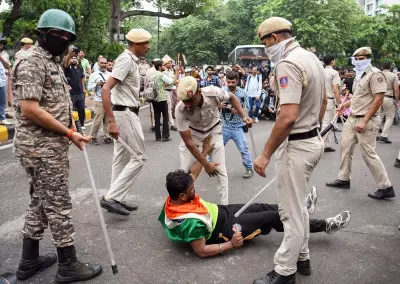
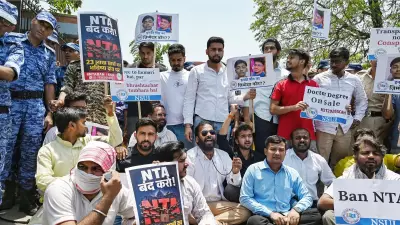
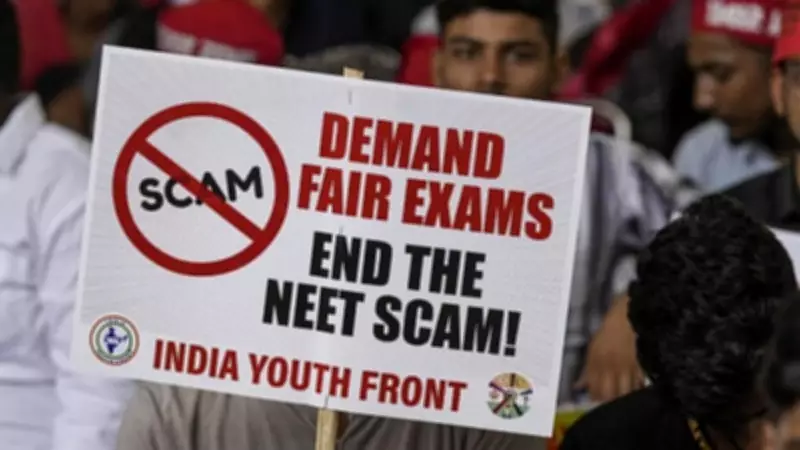
Over the past few years, several state and national-level examination leaks have been reported, including those for teacher recruitment, medical entrance, and civil services. These incidents have led to public outrage and demands for stricter laws. In some cases, entire exams had to be cancelled, causing hardship to students and administrative chaos.
The current legal framework under the Indian Penal Code and other acts has been considered inadequate to tackle the sophisticated networks involved. Many cases resulted in lengthy trials and weak punishments, failing to act as a deterrent. The new bill aims to fill these gaps by creating a dedicated law targeting organised paper leak syndicates.
Government's Stance
The government has emphasized that the bill is part of its commitment to ensure transparency and fairness in examinations. According to government sources, the bill is a strong deterrent and signals a zero-tolerance approach toward those who compromise the examination system. The Economic Offences Wing and other agencies have been consulted in drafting the provisions.
The bill is expected to be introduced in the Lok Sabha and may be referred to a parliamentary committee for scrutiny. However, the government has signaled its intent to push for early passage given the urgency of the issue.
Impact and Next Steps
If passed, the new law will significantly increase the cost of engaging in organised paper leaks. Education experts have welcomed the move but also called for better implementation and prevention mechanisms, such as secure printing and distribution of question papers. The bill is expected to be taken up for discussion in Parliament this week. Opposition parties have indicated support but may seek changes to ensure due process and protect the rights of accused individuals.
The government's move underscores its focus on maintaining the credibility of examination systems in India, which are vital for millions of students aspiring for government jobs and higher education. With stringent penalties, the hope is to curb the menace of paper leaks and restore public confidence.