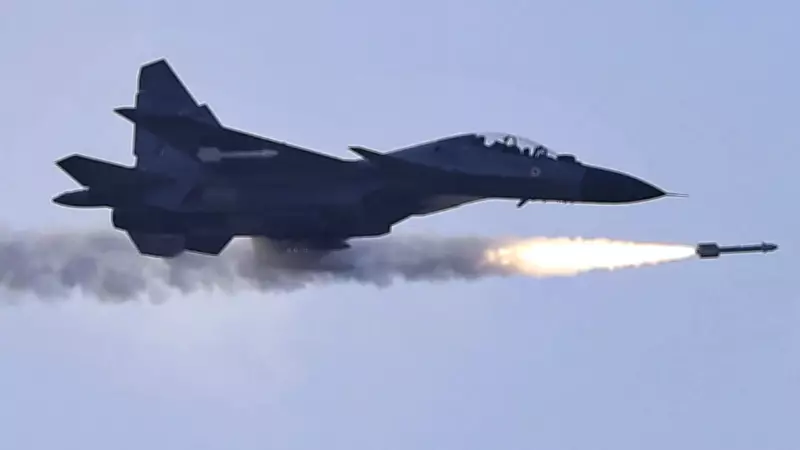
IAF Sukhoi Su-30 MKI Fighter Jet Loses Radar Contact in Assam
In a developing incident, an Indian Air Force (IAF) Sukhoi Su-30 MKI fighter aircraft has lost radar contact in the northeastern state of Assam, according to official statements released on Thursday. The IAF has confirmed that a specialized team has been urgently dispatched to the area to determine the exact circumstances surrounding the loss of contact and to initiate a comprehensive search and rescue operation.
Details of the Incident
The Sukhoi Su-30 MKI, a frontline multirole fighter jet in the IAF's inventory, was on a routine mission when it suddenly disappeared from radar screens. Officials have not yet disclosed the specific location within Assam where the contact was lost, but they emphasized that all necessary protocols are being activated to address the situation. The IAF team is equipped with advanced technology and resources to conduct a thorough investigation, focusing on both aerial and ground searches to locate the aircraft and its crew.
Response and Investigation
The IAF has assured that every effort is being made to ascertain the cause of the radar contact loss and to ensure the safety of the personnel involved. This incident highlights the operational challenges faced by military aviation in diverse terrains like Assam, which is known for its dense forests and varied topography. The Sukhoi Su-30 MKI is a critical asset for India's defense capabilities, and any such event is taken with utmost seriousness by the armed forces.

As this is a developing story, further updates are expected as the search operation progresses. The IAF is coordinating with local authorities and leveraging all available assets to expedite the investigation. The loss of radar contact in such scenarios can stem from multiple factors, including technical malfunctions, environmental conditions, or communication issues, all of which will be scrutinized by the investigating team.
Background on the Sukhoi Su-30 MKI
The Sukhoi Su-30 MKI is a twin-engine, multirole fighter aircraft that has been a cornerstone of the IAF's fleet since its induction. It is renowned for its long-range strike capabilities, advanced avionics, and versatility in both air-to-air and air-to-ground combat roles. Regular maintenance and rigorous training protocols are in place to ensure operational readiness, making incidents like this rare but critical for review.
The IAF's prompt response underscores its commitment to operational safety and the well-being of its personnel. As the investigation unfolds, more details are anticipated to emerge regarding the timeline and potential causes of the radar contact loss. The public and media are advised to rely on official statements for accurate information as the situation develops.