

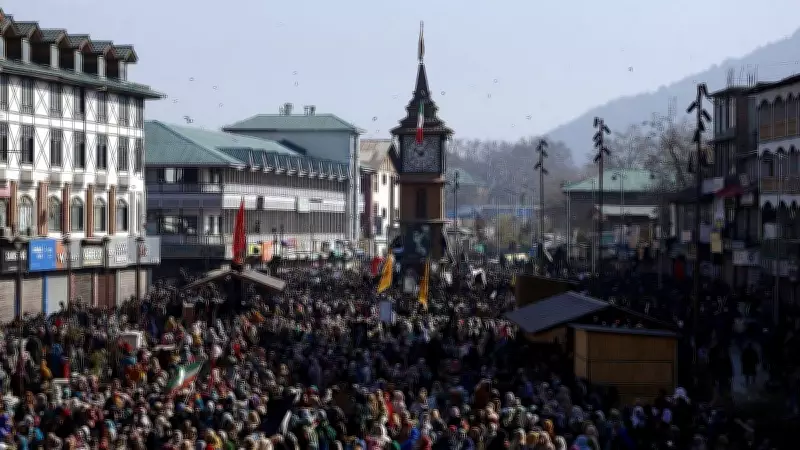
Widespread Protests Erupt Across India Following Killing of Iran's Supreme Leader
Shia Muslim communities across India have organized protests from Kashmir to Karnataka following the killing of Iran's Supreme Leader, Ayatollah Ali Khamenei. The religious leader was killed in an airstrike in Tehran on Saturday during what has been described as a joint military operation conducted by Israel and the United States.
Political Leaders Appeal for Calm Amid Rising Tensions
Former Chief Minister of Jammu and Kashmir, Omar Abdullah, expressed deep concern about the unfolding developments in Iran. In a social media post, Abdullah stated: "I'm deeply concerned about the unfolding developments in Iran, including the killing of Iran's Supreme Leader, Ayatollah Ali Khamenei. I appeal to all communities to remain calm, uphold peace, and avoid any actions that could lead to tension or unrest."
Abdullah further emphasized the need for maintaining social harmony, adding: "We must also ensure that..." The political leader's statement reflects growing concerns about potential community tensions following the international incident.

Countrywide Demonstrations Reflect Strong Shia Response
The protests have emerged as a significant expression of solidarity among India's Shia Muslim population with their co-religionists in Iran. Key aspects of the developing situation include:
- Geographical Spread: Demonstrations have been reported from northern regions including Jammu and Kashmir to southern states like Karnataka
- Community Mobilization: Shia organizations and religious leaders have coordinated response activities across multiple states
- Political Context: The incident occurs against a backdrop of complex international relations involving Iran, Israel, and the United States
- Security Considerations: Authorities are monitoring the situation to prevent any escalation of tensions between communities
International Incident Sparks Domestic Response
The killing of Ayatollah Ali Khamenei represents a significant escalation in Middle Eastern tensions that has reverberated across international borders. The joint Israel-US military operation that resulted in the Supreme Leader's death has triggered diplomatic concerns worldwide, with India's response reflecting both its substantial Shia population and its strategic interests in the region.
As protests continue to unfold across various Indian states, community leaders and political figures are emphasizing the importance of maintaining peace and preventing the international incident from affecting domestic social harmony. The situation remains fluid with authorities closely monitoring developments and community responses throughout the country.






