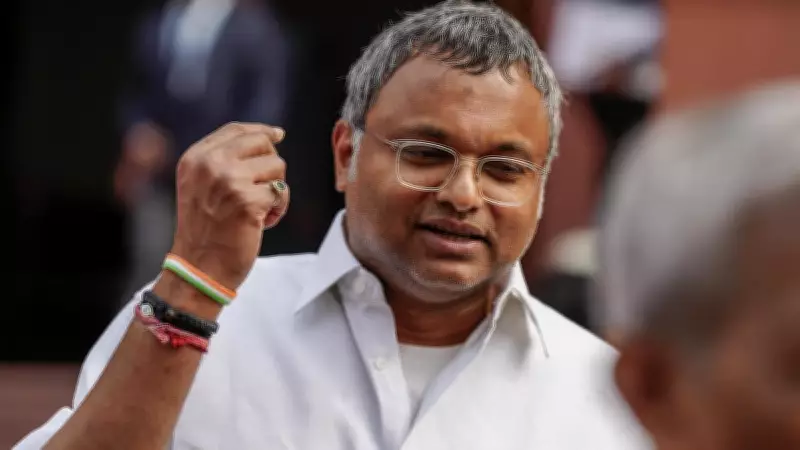
Karti Chidambaram Critiques 'Dhurandhar' Currency Scene, Offers Casting Humor
Congress MP Karti Chidambaram has raised pointed questions about a controversial scene in the film 'Dhurandhar' that depicts currency plates, challenging its authenticity by asking why the government does not have official records if such an event truly occurred. In a recent statement, Chidambaram highlighted what he perceives as inconsistencies in the portrayal, suggesting it may be fictional or exaggerated.
Government Records Under Scrutiny
Chidambaram emphasized, "If it happened, shouldn't the government have records?" This query directly targets the film's narrative, implying that without documented evidence from authorities, the scene lacks credibility. His comments come amid broader discussions about how political and historical events are represented in cinema, with critics often debating the line between artistic license and factual accuracy.
Humorous Casting Preferences Revealed
In a lighter moment, when asked which actors he would prefer to portray his role and that of his father, former Finance Minister P. Chidambaram, Karti Chidambaram joked about selecting Pierce Brosnan for his own part and Michael Caine for his father's role. This playful remark adds a personal touch to the interview, showcasing his wit and familiarity with international cinema stars.

The exchange has sparked reactions on social media, with users sharing clips and comments. For instance, a tweet from user @nkk_123 on February 15, 2026, highlighted Chidambaram's critique, captioning it as exposing "the bullshit peddled in #Dhurandhar." This indicates the scene's contentious nature and how it resonates with public discourse.
Broader Implications for Film and Politics
This incident underscores the ongoing intersection of politics and entertainment in India, where films often become battlegrounds for ideological debates. Chidambaram's questions may prompt further scrutiny of how sensitive topics are handled in media, potentially influencing future productions and public perception.
As of February 16, 2026, the story continues to trend, drawing attention from news outlets and social media platforms. It serves as a reminder of the powerful role cinema plays in shaping narratives and the importance of accountability in artistic representations of real-world events.