Kejriwal Declares Innocence, Breaks Down After Discharge in Liquor Policy Case
In a dramatic turn of events, former Delhi Chief Minister Arvind Kejriwal was discharged from a high-profile liquor policy case, leading to an emotional public display where he broke down while asserting his integrity. The development has sent shockwaves through the political landscape, with supporters hailing it as a vindication and critics questioning the judicial process.
Emotional Outburst and Assertion of Honesty
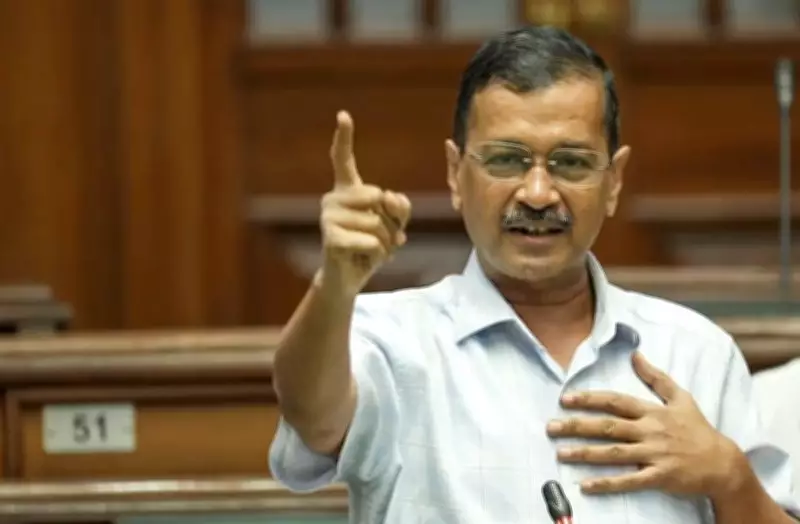
Following his discharge, Kejriwal addressed the media, visibly overcome with emotion. He stated, "I am an honest man (imandaar hoon)," emphasizing his commitment to transparency and public service. This outburst highlighted the personal toll of the legal battle, which has been a focal point in Delhi politics for months.
The case centered on allegations related to Delhi's liquor policy, with accusations of irregularities and corruption. Kejriwal's discharge marks a significant legal victory, though investigations into the policy continue to involve other officials.

Political Reactions and Implications
The discharge has ignited a flurry of reactions across party lines:
- Aam Aadmi Party (AAP) Supporters: Celebrated the decision as proof of Kejriwal's innocence and a setback for political rivals.
- Opposition Parties: Criticized the move, alleging bias and calling for further scrutiny of the liquor policy's implementation.
- Legal Experts: Noted that discharge does not equate to acquittal, but it reduces immediate legal pressure on Kejriwal.
This event could reshape Delhi's political dynamics, potentially bolstering AAP's image ahead of future elections. Kejriwal's emotional response may resonate with voters, framing him as a resilient leader under fire.
Background of the Liquor Policy Case
The liquor policy case has been a contentious issue, involving allegations of favoritism and financial mismanagement in Delhi's alcohol distribution system. Key points include:
- Policy Introduction: The policy aimed to reform liquor sales in Delhi, but faced criticism over transparency.
- Investigations: Multiple agencies probed the policy, leading to arrests and charges against several individuals.
- Kejriwal's Role: As former CM, Kejriwal was implicated, though he consistently denied wrongdoing.
His discharge suggests insufficient evidence to proceed against him personally, though the broader case remains active.
Public and Media Response
Media coverage has been intense, with headlines focusing on Kejriwal's breakdown and the case's political ramifications. Public opinion is divided:
- Supporters: View the discharge as a moral victory and evidence of political targeting.
- Critics: Argue it highlights flaws in the justice system and call for accountability in policy matters.
The emotional aspect of Kejriwal's response has humanized the issue, making it a talking point beyond legal circles.
Future Outlook and Conclusion
Looking ahead, Kejriwal's discharge may influence:
- Political Strategy: AAP could leverage this to campaign against corruption allegations.
- Legal Proceedings: Other aspects of the liquor policy case will continue, possibly affecting allied figures.
- Public Perception: Kejriwal's honesty claim could strengthen his base or invite further scrutiny.
In summary, Arvind Kejriwal's emotional declaration of innocence after discharge in the liquor policy case underscores the high stakes in Delhi's political arena. While it offers him a reprieve, the broader implications for governance and justice remain under watch.