

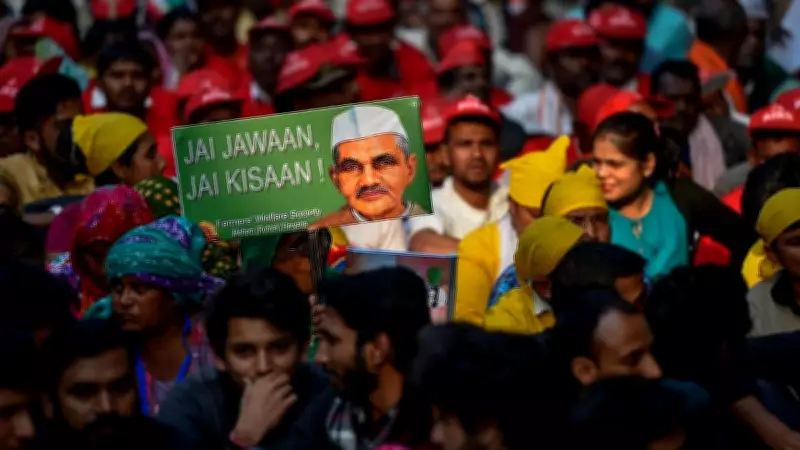
Lal Bahadur Shastri: The Humble Leader Whose Legacy History Overlooks
In the annals of Indian political history, certain figures shine brightly, while others, despite their profound impact, fade into the shadows of collective memory. Lal Bahadur Shastri stands as a poignant example of a leader whose contributions are often overshadowed, yet his tenure as Prime Minister was marked by remarkable humility and unwavering moral authority during some of the nation's most trying times.
A Leader Forged in Crisis
Shastri assumed the role of Prime Minister at a critical juncture in India's history, stepping into the aftermath of Jawaharlal Nehru's era. His leadership was immediately tested by the 1965 war with Pakistan, a conflict that demanded not just strategic acumen but also immense courage and resolve. Amidst the turmoil of battle, Shastri's calm demeanor and steadfast commitment to national security became a beacon of hope for the Indian populace.
Beyond the battlefield, the country grappled with severe economic stress, including food shortages and inflationary pressures. Shastri's response was characterized by a deep sense of responsibility and a hands-on approach, famously promoting the "Jai Jawan Jai Kisan" slogan to honor both soldiers and farmers, highlighting their crucial roles in nation-building.

The Pillars of Humility and Moral Authority
What set Shastri apart was not just his political decisions but the ethical foundation upon which they were built. His humility was legendary; he lived a simple life, eschewing the trappings of power and leading by example. This modesty resonated with the common people, fostering a sense of trust and connection that transcended political divides.
His moral authority was evident in his unwavering principles, whether in diplomatic negotiations or domestic policies. Shastri believed in integrity and transparency, values that guided his administration through complex challenges without compromising on ethical standards.
Why History Forgets Such Figures
The contributors to historical narratives often prioritize dramatic events or charismatic personalities, leading to the oversight of leaders like Shastri. His understated style and focus on substance over spectacle meant that his achievements, though significant, did not always capture the public imagination in the same way as more flamboyant figures.
Yet, this forgetfulness does a disservice to India's rich political heritage. Shastri's legacy offers timeless lessons in leadership, resilience, and ethical governance, reminding us that true greatness often lies in quiet dedication rather than loud proclamation.
Revisiting Shastri's Enduring Impact
As we reflect on India's journey, it is crucial to re-evaluate and honor leaders like Lal Bahadur Shastri. His ability to steer the nation through war and economic hardship with grace and principle serves as an inspiration for current and future generations.
In a world often dominated by self-promotion, Shastri's story underscores the power of humility and moral clarity in leadership. By remembering his contributions, we not only pay tribute to a forgotten hero but also reinforce the values that can guide India toward a more just and prosperous future.






