LeT Commander's Jihad Call Echoes Pakistan Army Chief's Rhetoric on Kashmir
From viral terror videos to official military speeches, Pakistan's narrative on Kashmir is becoming more explicit and more dangerous. The lines between state policy and terrorist propaganda are blurring rapidly.
Mirroring Messages of Violence
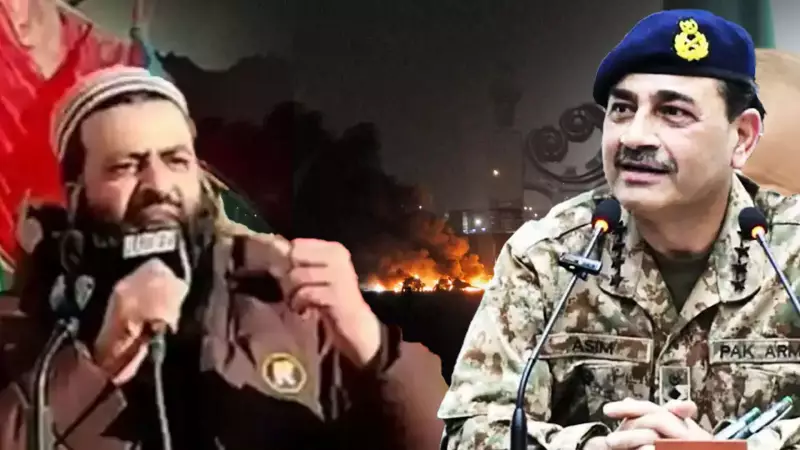
Lashkar-e-Taiba commander Abu Musa Kashmiri has openly called for jihad and violence in Kashmir. He declared that Kashmir will not be won through talks but through bloodshed. His inflammatory statements closely mirror recent rhetoric from Pakistan Army chief General Asim Munir.
General Munir recently targeted Hindus in a speech and reaffirmed Kashmir as Pakistan's "jugular vein." The similarity in language and intent between the terrorist commander and the military chief is striking. Indian investigators confirm that Musa has directly recruited terrorists involved in recent attacks, including the Pahalgam incident.

Rising Tensions and Clear Threats
The threat emerges amid escalating tensions between India and Pakistan. Cross-border terror strikes continue to challenge regional stability. India has responded decisively with Operation Sindoor, demonstrating its commitment to counter-terrorism measures.
This is no longer coded messaging or subtle propaganda. Pakistan's terror playbook is now openly admitted through coordinated statements from both terrorist leaders and military officials. The convergence of their narratives creates a dangerous escalation in rhetoric and action.
The Blurring of State and Terror Lines
What was once deniable support for terrorism now appears as overt coordination. When a terrorist commander's call for violence echoes an army chief's speech, the distinction between state and non-state actors becomes dangerously unclear.
Indian security agencies monitor these developments closely. They recognize the pattern of radicalization and recruitment that follows such coordinated messaging. The security situation in Kashmir remains tense as these threats materialize into actual attacks.
The international community watches as Pakistan's dual approach to Kashmir becomes increasingly transparent. The country simultaneously engages in diplomatic posturing while supporting militant rhetoric through both official and unofficial channels.
This convergence of messages represents a significant escalation in Pakistan's Kashmir strategy. It moves beyond plausible deniability into open advocacy for violence. The implications for regional security are profound and concerning.