

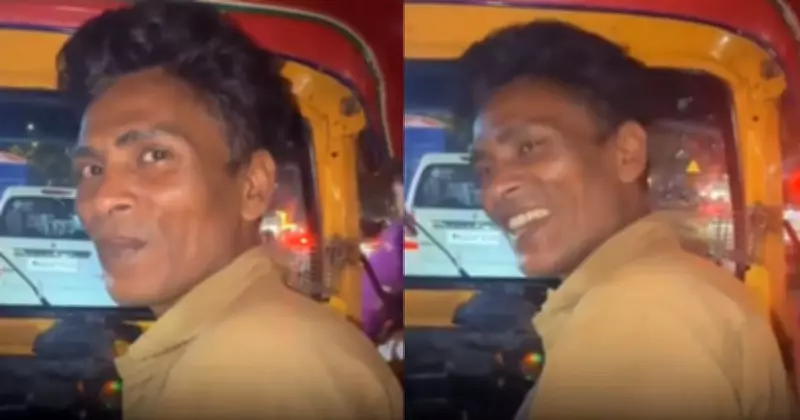
Mumbai Auto Driver's Viral Video Ignites Anganwadi Debate
A poignant video from Mumbai has captured the nation's attention, sparking a crucial conversation about childcare support for working parents. The footage shows an auto-rickshaw driver navigating the city's bustling streets with his young daughter sleeping peacefully behind the passenger seat. This simple yet powerful scene has gone viral across social media platforms, prompting netizens to call for better access to Anganwadi centers and improved support systems for parents in the informal sector.
The Viral Footage That Touched Hearts
The video, which surfaced online earlier this week, depicts a typical day in the life of a Mumbai auto driver. As he ferries passengers through the city's chaotic traffic, his daughter rests in the small space behind the front seat, using a makeshift bedding arrangement. The child appears to be sleeping soundly, undisturbed by the honking horns and movement of the vehicle. This image of a father balancing work responsibilities with childcare duties has resonated deeply with viewers across India and beyond.
Social media users were quick to react to the viral clip, with many expressing admiration for the driver's dedication while simultaneously highlighting systemic issues. "This shows the reality of many working parents who have no choice but to bring their children to work," commented one user. Another wrote, "Instead of just feeling emotional, we should demand better Anganwadi facilities so children don't have to sleep in autos."

Netizens Call for Anganwadi Reform
The overwhelming response to the video has centered on the need for improved Anganwadi services. Anganwadi centers, part of India's Integrated Child Development Services, are intended to provide childcare, nutrition, and early education. However, as netizens pointed out, accessibility and quality vary significantly across regions, particularly in urban areas like Mumbai where space constraints and high demand create challenges.
Many commenters specifically urged authorities to consider expanding Anganwadi coverage and ensuring these facilities are available during working hours that match the schedules of parents in the informal economy. "If we had properly functioning Anganwadis with flexible timings, this father wouldn't need to take his daughter along on his auto rides," observed a social media user. The discussion has expanded to include broader questions about social support for gig economy workers and those in precarious employment situations.
The Bigger Picture: Childcare in Urban India
This viral moment has shed light on the daily struggles faced by millions of working parents in India's metropolitan areas. The auto driver's situation is not unique—many parents in the informal sector, from street vendors to domestic workers, face similar challenges in securing safe, affordable childcare while they earn a living. The video has prompted calls for:
- Expanded Anganwadi infrastructure in urban centers
- Extended operating hours to accommodate non-traditional work schedules
- Increased awareness about existing childcare support programs
- Policy interventions specifically targeting workers in the informal economy
While the identity of the auto driver remains unknown, his story has become a symbol for a much larger issue. As the video continues to circulate online, it serves as a reminder that behind viral moments are real people navigating complex social and economic realities. The conversation sparked by this footage may well contribute to ongoing discussions about social welfare, urban planning, and support systems for India's working families.






