

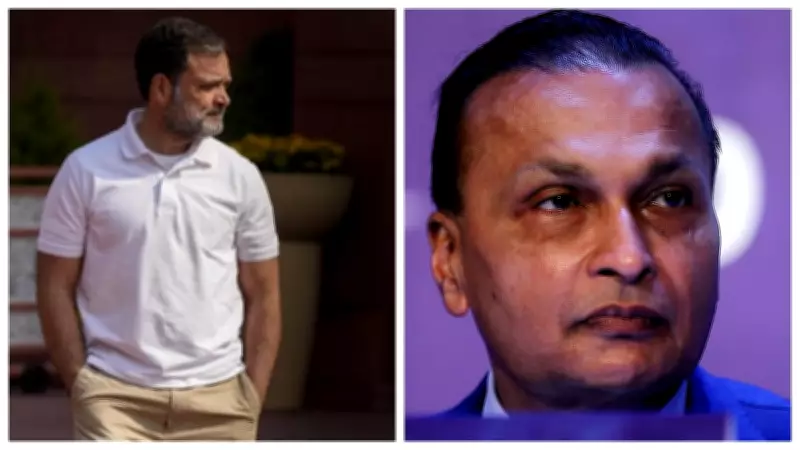
Rahul Gandhi Demands Explanation for Anil Ambani's Freedom Amid Epstein Files Scandal
In a bold and direct challenge to the government, Congress leader Rahul Gandhi has raised serious questions about the legal status of industrialist Anil Ambani, who has been named in the controversial Jeffrey Epstein documents. Speaking to reporters in Delhi on February 11, 2026, Gandhi reiterated his allegations and pointedly asked why Ambani has not been arrested or jailed despite this high-profile connection.
Allegations of Political Pressure and Government Inaction
Rahul Gandhi did not mince words during his press interaction, claiming that Prime Minister Narendra Modi is under "direct pressure" which has prevented any legal action against Anil Ambani. This statement adds fuel to the ongoing political firestorm surrounding the Epstein files, which have implicated numerous powerful figures worldwide in a network of alleged criminal activities.
The Congress leader's comments come at a sensitive time in Indian politics, with the Lok Sabha closely monitoring developments. Gandhi emphasized that the Epstein documents represent more than just international scandal—they raise fundamental questions about accountability and justice within India's own power structures.

The Context of the Epstein Files and Their Indian Connections
The Jeffrey Epstein case has sent shockwaves across global elite circles since the financier's arrest and subsequent death in 2019. The recently unsealed documents have revealed connections to various international figures, including Anil Ambani, prompting renewed scrutiny. Rahul Gandhi's questioning specifically focuses on why Indian authorities have not pursued investigations or legal proceedings against Ambani, given the serious nature of the allegations in these files.
This development places the Indian government in a difficult position, balancing diplomatic considerations with domestic political pressures. Gandhi's public challenge forces a confrontation over whether influential business figures receive preferential treatment compared to ordinary citizens facing legal scrutiny.
Political Implications and Broader Ramifications
The timing of Rahul Gandhi's statements is particularly significant, occurring amidst ongoing political maneuvering in Delhi. By linking Anil Ambani's situation to alleged pressure on the Prime Minister, Gandhi aims to:
- Highlight perceived double standards in law enforcement
- Challenge the government's commitment to judicial independence
- Mobilize public opinion around accountability issues
- Position the Congress party as a champion of transparency
This controversy touches multiple sensitive areas: corporate influence in politics, international scandal fallout, and the integrity of India's legal system. As the story develops, observers will watch closely for any official response from government agencies regarding Anil Ambani's status or investigations into the Epstein connections.
The broader question Rahul Gandhi poses extends beyond one individual—it asks whether India's institutions can withstand external pressures when dealing with powerful figures. This episode may influence upcoming political debates and could become a focal point in discussions about corruption and privilege in Indian society.






