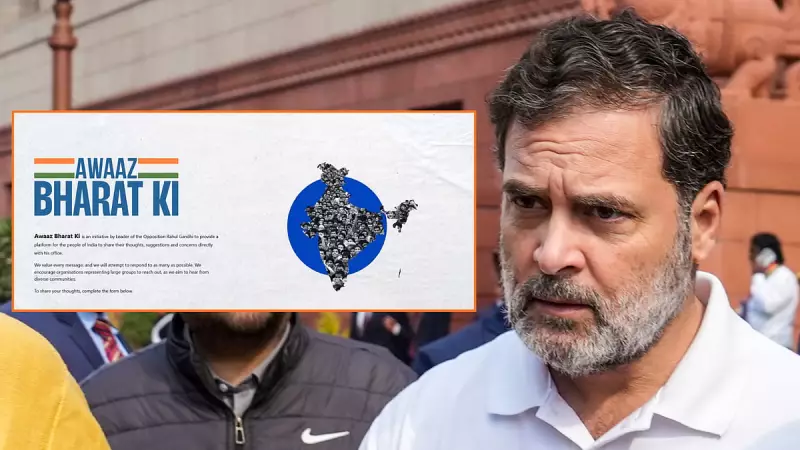
Congress leader Rahul Gandhi has made a heartfelt appeal to the residents of Delhi, urging them to share their personal stories and struggles related to the city's severe air pollution crisis on the Awaz Bharat Ki platform. This initiative aims to amplify the voices of ordinary citizens affected by the hazardous air quality, which has become a persistent public health emergency in the national capital.
Amplifying Citizen Voices Through Digital Engagement
Rahul Gandhi's call to action emphasizes the power of collective storytelling in addressing environmental challenges. By encouraging Delhiites to document their experiences on Awaz Bharat Ki, a digital forum for public feedback, he seeks to create a comprehensive narrative of the daily hardships faced by millions. This move is part of a broader effort to mobilize public opinion and pressure authorities into implementing more effective pollution control measures.
The Severe Impact of Delhi's Air Pollution
Delhi has consistently ranked among the world's most polluted cities, with air quality indices frequently reaching hazardous levels. The pollution, driven by factors such as vehicular emissions, industrial activities, and agricultural stubble burning, poses serious risks to respiratory health, particularly among children, the elderly, and those with pre-existing conditions. Rahul Gandhi's appeal highlights how this environmental crisis transcends political boundaries, affecting every resident regardless of background.

Awaz Bharat Ki: A Platform for Public Feedback
Awaz Bharat Ki serves as a channel for citizens to voice their concerns directly to political representatives. By focusing on air pollution, Rahul Gandhi aims to use this platform to gather firsthand accounts that can inform policy discussions and advocacy efforts. This approach underscores the importance of grassroots input in shaping responses to critical issues like environmental degradation.
Political and Social Implications
The initiative reflects the Congress party's strategy to engage with urban voters on pressing local issues, positioning itself as a responsive alternative in Delhi's political landscape. By prioritizing air pollution, Rahul Gandhi taps into widespread public anxiety over health and quality of life, potentially galvanizing support for environmental reforms. Experts note that such efforts could influence upcoming electoral dynamics in the region.
Call for Collective Action and Policy Reform
Beyond individual stories, Rahul Gandhi's message calls for systemic changes to combat air pollution. He advocates for stricter enforcement of environmental regulations, investment in clean energy, and better public transportation infrastructure. The Awaz Bharat Ki campaign is seen as a step toward building a coalition of citizens demanding accountability and sustainable solutions from governing bodies.
As Delhi grapples with another season of toxic air, this appeal resonates with a populace weary of recurring health advisories and visibility issues. By sharing their experiences, residents can contribute to a larger movement aimed at securing a cleaner, healthier future for the city.