Rahul Gandhi Takes Dig at PM Modi Over Israel Visit Following US Deal Challenge
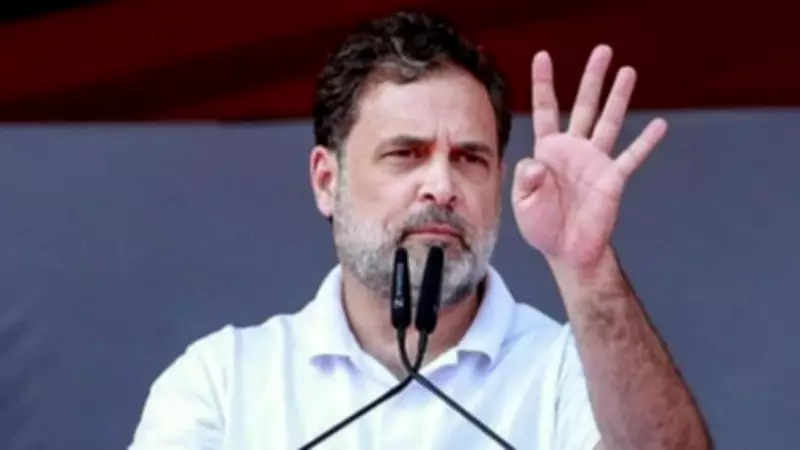
Congress leader Rahul Gandhi has launched a sharp criticism against Prime Minister Narendra Modi, alleging that the PM quietly slipped off to Israel after Gandhi challenged him to scrap a defense deal with the United States. This accusation has ignited a fresh political controversy, highlighting tensions over foreign policy decisions and transparency in government actions.
Background of the US Defense Deal Challenge
Earlier, Rahul Gandhi had publicly dared Prime Minister Modi to cancel a significant defense agreement with the US, framing it as a test of the government's commitment to national interests. Gandhi argued that the deal might not align with India's strategic autonomy, urging for a reevaluation. This challenge set the stage for the current dispute, as Gandhi now claims the PM's subsequent travel to Israel was an attempt to evade scrutiny on this issue.
Details of the Alleged Israel Visit
According to Rahul Gandhi, PM Modi made a covert trip to Israel without much public announcement, shortly after the US deal challenge was issued. Gandhi suggests this move was strategic, aimed at shifting focus away from domestic and international pressures. The visit, if confirmed, could involve discussions on bilateral relations, defense cooperation, or other diplomatic matters, but Gandhi's remarks imply a lack of openness in the PM's itinerary.

Political Reactions and Implications
- Rahul Gandhi's statement has drawn mixed responses from political circles, with supporters echoing concerns about transparency.
- Opponents may dismiss it as political posturing, arguing that foreign visits are routine and necessary for diplomacy.
- The incident raises questions about how foreign policy is communicated and debated in India's political landscape.
Analysis of the Broader Context
This episode occurs amid ongoing debates over India's foreign engagements, particularly with key allies like the US and Israel. Critics, including Gandhi, often highlight the need for greater parliamentary oversight and public discourse on such matters. The allegation of a quiet visit taps into broader narratives about government accountability and the balance between diplomatic secrecy and democratic transparency.
In summary, Rahul Gandhi's dig at PM Modi underscores simmering political tensions over foreign policy decisions. As the story develops, it may influence public perception and spark further discussions on India's international relations and governance practices.