Rajaji Bust Installation at Rashtrapati Bhawan Coincides with Tamil Nadu Polls
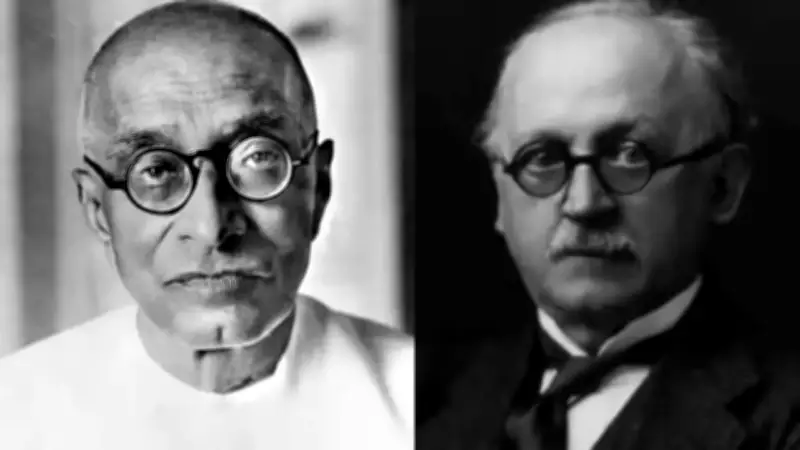
The recent installation of a bust of C Rajagopalachari, replacing one of Edward Lutyens at Rashtrapati Bhawan in New Delhi, has gained significant political attention. This move comes as Tamil Nadu prepares for state elections in the coming months, where the Bharatiya Janata Party (BJP) has historically faced challenges in making substantial electoral gains.
Dual Purpose of the Bust Replacement
The replacement of Lutyens' bust with that of Rajaji serves a dual strategic purpose. At the national level, it reinforces the government's anti-colonial narrative, emphasizing a shift away from British-era symbols. In Tamil Nadu, it signals a gesture of honoring a prominent Tamil statesman by placing his bust in the residence of India's head of state, potentially resonating with local sentiments.
Notably, the event on Monday included "guests from Tamil Nadu" among the invitees, underscoring the regional focus of this initiative. This careful curation of attendees highlights the political undertones aimed at strengthening BJP's presence in the southern state.

Rajaji's Legacy and the Sengol Connection
In his address during the program, Education Minister Dharmendra Pradhan emphasized Rajaji's role as a symbol of Indian civilization. He linked this to the sacred 'sengol' scepter, which was placed in Parliament in 2023, describing it as a realization of Rajaji's vision.
Rajagopalachari was instrumental in sourcing the 'sengol' to symbolize the transfer of power from British to Indian hands in 1947. Drawing inspiration from the Chola dynasty tradition, he suggested this golden sceptre, crafted by Vummidi Bangaru Chetty, to represent righteous rule and the formal authority handover to Jawaharlal Nehru.
The placement of the sengol in the Lok Sabha during the inauguration of the new Parliament building was widely interpreted as an outreach to Tamil identity, aligning with broader cultural and political strategies.
Broader Cultural and Political Initiatives
This bust installation is part of a series of efforts by the government to engage with Tamil Nadu. For instance, the Kashi Tamil Sangamam event in Varanasi was organized to link the temple town in Uttar Pradesh with Tamil scholars and communities, highlighting deep-rooted cultural ties between North and South India.
Such initiatives aim to bridge regional divides and foster a sense of national unity while addressing specific local identities. The timing of these actions, particularly with elections looming, suggests a calculated approach to bolster BJP's appeal in a region where it has traditionally struggled.
Overall, the replacement of Lutyens' bust with Rajaji's not only marks a symbolic shift in national iconography but also serves as a strategic political maneuver ahead of Tamil Nadu's upcoming polls.