

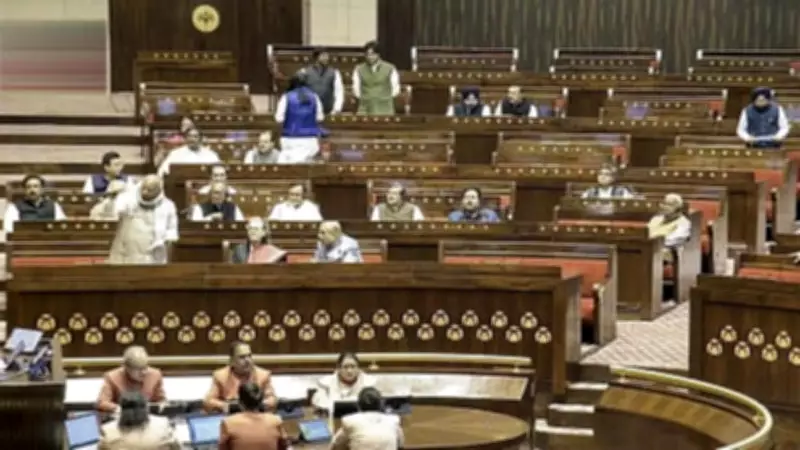
Rajya Sabha Proceedings Halted, Adjourned Until March 9
The Rajya Sabha, the upper house of India's Parliament, has officially adjourned its proceedings until March 9, 2025. This decision comes after a day marked by significant disruptions and protests from opposition members, leading to an inability to conduct legislative business effectively.
Disruptions and Protests Halt Legislative Work
Throughout the session, opposition lawmakers raised vociferous protests on multiple issues, including economic policies, social welfare schemes, and governance matters. The continuous uproar and sloganeering created a chaotic atmosphere in the house, preventing the smooth functioning of debates and discussions.
Despite efforts by the Chair to restore order and proceed with the scheduled agenda, the protests persisted, forcing the adjournment. This move underscores the ongoing political tensions and challenges in parliamentary proceedings during the current session.

Impact on Legislative Agenda and Governance
The adjournment until March 9 means that key legislative bills and discussions planned for this period have been postponed. This delay could affect the timeline for passing important laws and policies, potentially impacting governance and public administration.
Parliamentary sources indicate that the adjournment is intended to allow for a cooling-off period, with hopes that members will return to more constructive dialogue. However, the persistent nature of the disruptions highlights deep-seated political disagreements that may continue to pose challenges.
Context and Broader Implications
This incident is part of a broader pattern of parliamentary disruptions in recent years, reflecting the polarized political landscape in India. Such adjournments are not uncommon, but they raise concerns about legislative efficiency and the democratic process.
The Rajya Sabha plays a crucial role in reviewing and amending legislation, and prolonged adjournments can stall progress on critical national issues. Stakeholders, including civil society and the public, often express frustration over such delays, calling for more decorum and productivity in parliamentary proceedings.
As the house reconvenes on March 9, all eyes will be on whether a more conducive environment for debate can be established, or if disruptions will persist, further hampering legislative work.






