

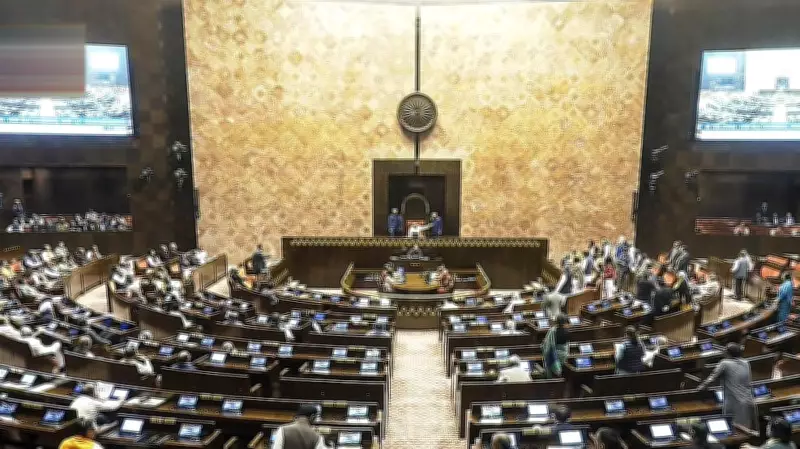
Rajya Sabha Descends Into Chaos Over Rahul Gandhi's Lok Sabha Speaking Rights
The Rajya Sabha, India's upper house of Parliament, witnessed tumultuous scenes and a dramatic opposition walkout on Wednesday after Congress leader Rahul Gandhi was reportedly disallowed from speaking in the Lok Sabha. The incident sparked heated exchanges between ruling and opposition benches, highlighting ongoing tensions in the parliamentary session.
Opposition Stages Walkout Amid Parliamentary Disruption
Following the news that Rahul Gandhi had been prevented from addressing the Lok Sabha, opposition members in the Rajya Sabha created noisy scenes, demanding an explanation and proper parliamentary procedure. The disruption escalated to the point where opposition parties collectively staged a walkout, bringing legislative proceedings to a temporary halt.
Congress President Mallikarjun Kharge strongly defended his party colleague, stating emphatically: 'He (Gandhi) wanted to speak about the country's interest.' Kharge's remarks underscored the opposition's position that Gandhi's intended speech concerned matters of national importance that deserved parliamentary attention and discussion.

Parliamentary Procedure and Speaking Rights Under Scrutiny
The incident has raised significant questions about parliamentary norms and the rights of elected representatives to address the house. According to parliamentary observers, the denial of speaking opportunity to a prominent opposition leader represents a serious departure from established democratic practices.
Several key aspects of this parliamentary controversy have emerged:
- The specific reasons behind preventing Rahul Gandhi from speaking in the Lok Sabha
- The procedural validity of such restrictions on parliamentary speech
- The broader implications for opposition rights in India's democratic framework
- The potential impact on upcoming parliamentary business and legislative work
Political Reactions and Broader Implications
The Rajya Sabha disruption comes at a time when parliamentary proceedings have already been marked by heightened political tensions. Opposition parties have consistently raised concerns about what they perceive as attempts to stifle dissent and limit their participation in legislative processes.
Political analysts suggest this incident reflects deeper issues within India's parliamentary democracy, where procedural matters often become flashpoints for broader political conflicts. The walkout represents not just a protest against a single incident but what opposition parties see as a pattern of restricting their parliamentary voice.
As the parliamentary session continues, all eyes remain on how both the government and opposition will navigate these procedural challenges while ensuring that national interests receive proper parliamentary attention and debate.






