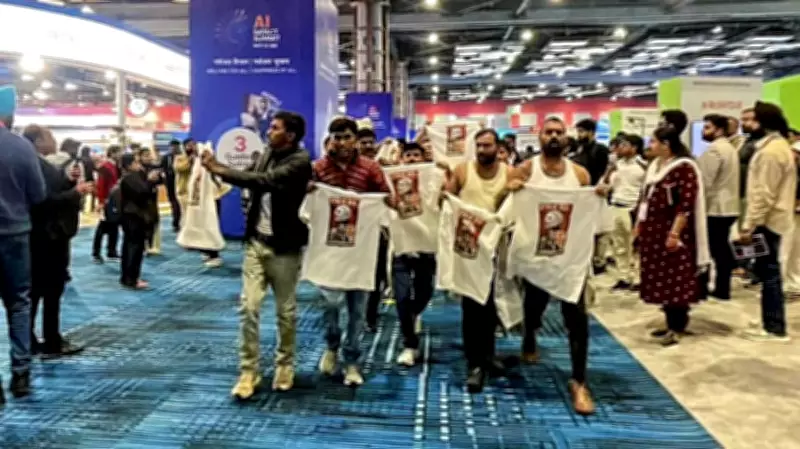
Shirtless Protest at AI Summit Leads to Fifth Arrest in Gwalior
In a significant development, Delhi Police has apprehended a Youth Congress worker from Gwalior, Madhya Pradesh, in connection with a shirtless protest that disrupted an Artificial Intelligence summit. The accused, identified as Jitendra Yadav, was taken into custody, bringing the total number of arrests in this case to five, according to official police statements.
Details of the Arrest and Protest Incident
The protest, which involved demonstrators removing their shirts to voice their grievances, occurred during a high-profile AI summit, drawing attention to political activism in the tech sector. Police sources confirmed that Yadav's arrest in Gwalior marks a key step in the ongoing investigation, with authorities intensifying efforts to maintain order at such events.
This incident underscores the growing intersection of technology and political expression in India, as law enforcement agencies work to balance security with the right to protest. The AI summit, aimed at discussing innovations and policies, was temporarily disrupted, prompting swift action from Delhi Police to identify and detain those involved.

Broader Implications and Police Response
With the total arrests now reaching five, including Yadav, police have emphasized their commitment to preventing similar disruptions in the future. The case highlights the challenges faced by authorities in managing protests at sensitive venues, particularly those related to emerging technologies like artificial intelligence.
Investigations are ongoing to determine the full scope of the protest and any potential links to broader political movements. The Youth Congress has not issued an official statement regarding Yadav's arrest, but the event has sparked discussions on freedom of speech and public safety in the context of tech conferences.
As the situation unfolds, stakeholders are calling for clearer guidelines to address such incidents, ensuring that both technological progress and democratic rights are upheld without compromise.