Shiv Sena (UBT) Alleges Forced Resignation of Former Vice President Jagdeep Dhankar
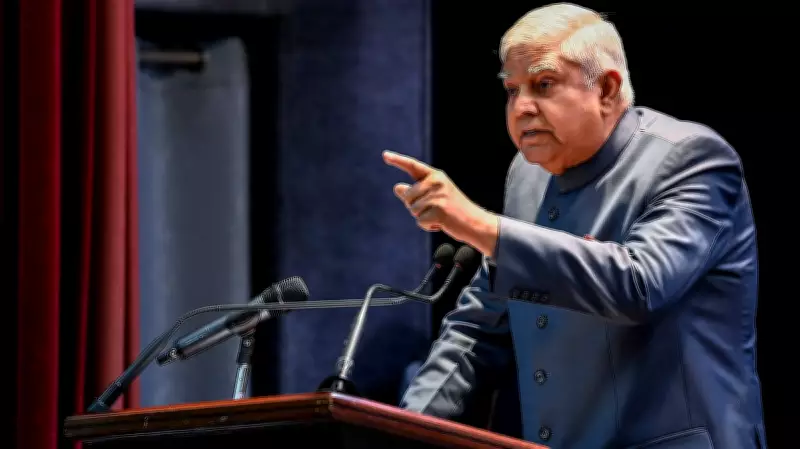
In a significant political development, the Shiv Sena (UBT) has made a bold claim regarding the resignation of former Vice President Jagdeep Dhankar. The party has asserted that Dhankar was forced to step down from his position, a move that has sparked widespread speculation and debate in Indian political circles.
Claims of Good Health and No Illness-Related Statements
The Shiv Sena (UBT) has emphasized that on the day of his resignation, Jagdeep Dhankar was in good health. This assertion directly contradicts any potential narratives suggesting that health issues might have prompted his departure. The party has further clarified that Dhankar never indicated he was quitting due to being unwell, adding a layer of intrigue to the circumstances surrounding his exit.
This revelation raises questions about the true reasons behind Dhankar's resignation, as the party's statements imply external pressures or political motivations may have been at play. The timing and nature of these claims have drawn attention to the ongoing dynamics between the government and opposition forces in India.

Political Implications and Opposition Dynamics
The Shiv Sena (UBT)'s allegations suggest that Dhankar's resignation was not a voluntary decision but rather a result of coercion. This has led to discussions about the state of democratic processes and the treatment of high-ranking officials in the current political climate. The party's stance highlights potential tensions within the political establishment, particularly concerning how opposition figures are perceived and handled.
As a former Vice President, Jagdeep Dhankar's role involved significant constitutional responsibilities, and his sudden resignation has left many wondering about the underlying factors. The Shiv Sena (UBT)'s claims add fuel to existing political controversies, potentially influencing public opinion and future electoral strategies.
Broader Context and Reactions
The news, originally reported by DH Web Desk on March 5, 2026, has since garnered reactions from various political analysts and stakeholders. The Shiv Sena (UBT)'s publication, Saamana, has been instrumental in disseminating these claims, urging a closer examination of the events leading to Dhankar's resignation.
This incident underscores the volatile nature of Indian politics, where resignations and appointments often carry deeper symbolic meanings. The allegations made by the Shiv Sena (UBT) could have ripple effects on governance, opposition strategies, and public trust in political institutions.
As the story develops, it remains to be seen how other political parties and the government will respond to these serious accusations. The focus on Jagdeep Dhankar's health and the circumstances of his resignation continues to be a point of contention, reflecting broader issues of transparency and accountability in the political arena.