Shivakumar Blames Central Foreign Policy for Fuel Crisis, Surjewala Warns of April Price Hikes
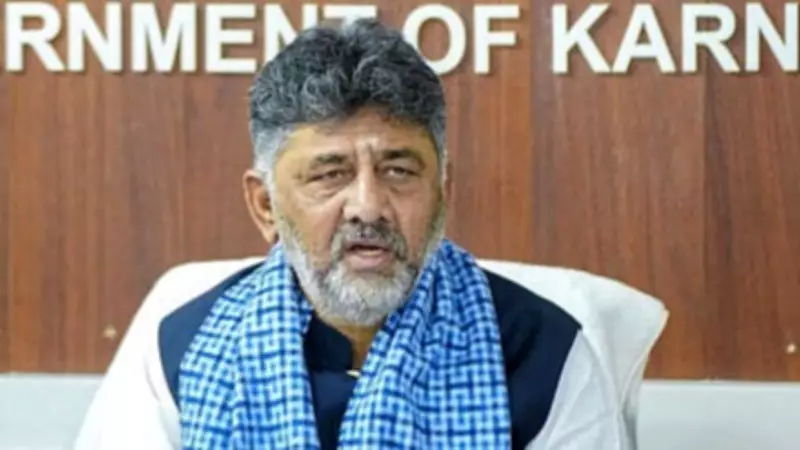
In a sharp critique of the central government, Karnataka Deputy Chief Minister D K Shivakumar has squarely blamed the Centre's foreign policy for the ongoing fuel crisis in India. Speaking out against the administration, Shivakumar asserted that the nation's diplomatic strategies are directly responsible for the escalating prices and supply issues affecting consumers across the country.
Surjewala's Warning of Impending Price Hikes
Adding to the political firestorm, Congress leader Randeep Surjewala issued a stark warning, alleging that April 1, 2026, would mark the beginning of a fresh wave of price hikes. Surjewala characterized this date as a day of 'loot, rob and fleece' by the Centre, accusing the government of exploiting citizens through increased costs. His comments highlight growing opposition concerns over economic management and its impact on everyday affordability.
Context and Broader Implications
The allegations come amid rising tensions over fuel prices, which have been a persistent issue in India's economic landscape. Shivakumar's focus on foreign policy suggests a link between international relations, such as oil imports and trade agreements, and domestic fuel availability. This perspective underscores the complex interplay between global diplomacy and local economic stability.

Surjewala's warning about April 1 points to anticipated adjustments in fuel pricing mechanisms, potentially tied to taxation or subsidy changes. His use of strong language reflects the political rhetoric often employed in debates over government policies affecting essential commodities.
Political Reactions and Public Impact
These statements are likely to fuel further debate in political circles, with opposition parties leveraging the fuel crisis to criticize the Centre's governance. For the public, the concerns raised by Shivakumar and Surjewala translate into worries about increased living costs and economic hardship, especially for lower-income households reliant on affordable fuel for transportation and daily needs.
As the situation unfolds, stakeholders will be closely monitoring government responses and any potential policy shifts to address the crisis. The ongoing discourse emphasizes the need for transparent and effective strategies to mitigate fuel price volatility and ensure energy security for all Indians.