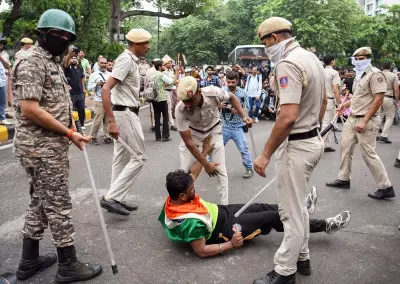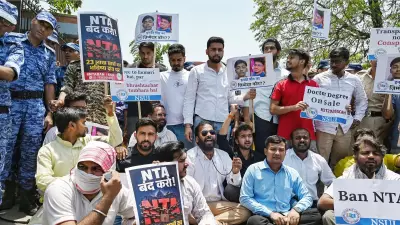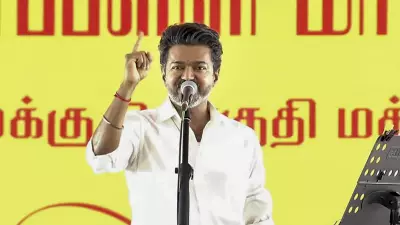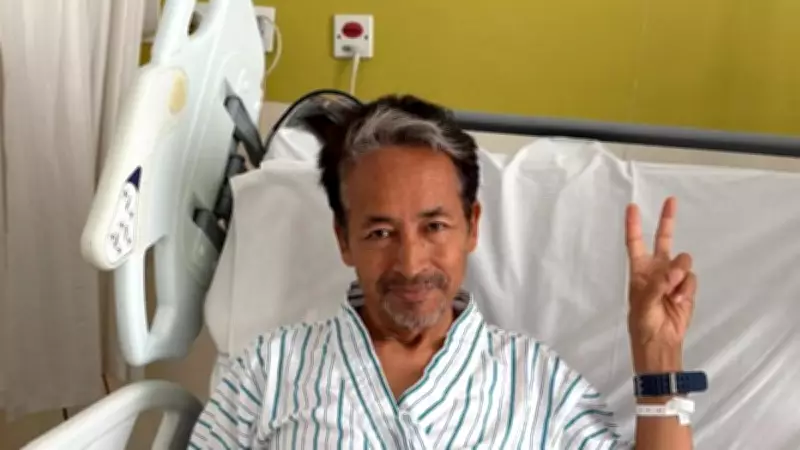
Education activist Sonam Wangchuk has welcomed the resignation of Union Minister Dharmendra Pradhan from his Lok Sabha seat, calling it a "victory of democracy straight from the streets." Pradhan, who represented the Deogarh constituency in Odisha, resigned after being elected to the Rajya Sabha from Bihar. The move came amid sustained protests led by Wangchuk against Pradhan's tenure as Education Minister.
The Protest That Sparked Change
Wangchuk, known for his role in the 2019 climate strike and the "Free Ladakh" movement, had been leading a 42-day march from Ladakh to Delhi to demand Pradhan's resignation. The march covered over 1,500 kilometers, with thousands joining along the way. According to Wangchuk, the protest was not just about one minister but about the erosion of democratic accountability. "This resignation shows that when people stand united, even the most powerful ministers must listen," he said during a press conference in Delhi.
Background of the Dispute
Pradhan, who held the Education portfolio, faced criticism for his decision to discontinue the distance education Bachelor of Education (B.Ed) program, affecting thousands of students in remote areas. Wangchuk argued that the move disproportionately impacted students from Ladakh and other far-flung regions. An online petition against Pradhan's policies gathered over 12,000 signatures, and several student unions backed the protest. "Pradhan's resignation is a victory for the thousands of students whose voices were ignored," Wangchuk added.

Impact on Politics and Public Accountability
Political analysts see this as a rare instance of sustained activism leading to a ministerial resignation. Pradhan's resignation from his Lok Sabha seat was a procedural formality following his Rajya Sabha election, but critics note that he stepped down amid the controversy. Wangchuk's movement has drawn parallels to the 2011 anti-corruption protests, emphasizing the power of street-level democracy. "This is a clear message that elected officials cannot take their positions for granted," said political commentator Ravi Mishra.
Wangchuk, who plans to continue his advocacy for education reforms, said the struggle is far from over. "We have won a battle, but the war for inclusive and accessible education continues," he stated. The activist has called for a review of the distance education policy and greater representation for marginalized communities in educational planning.