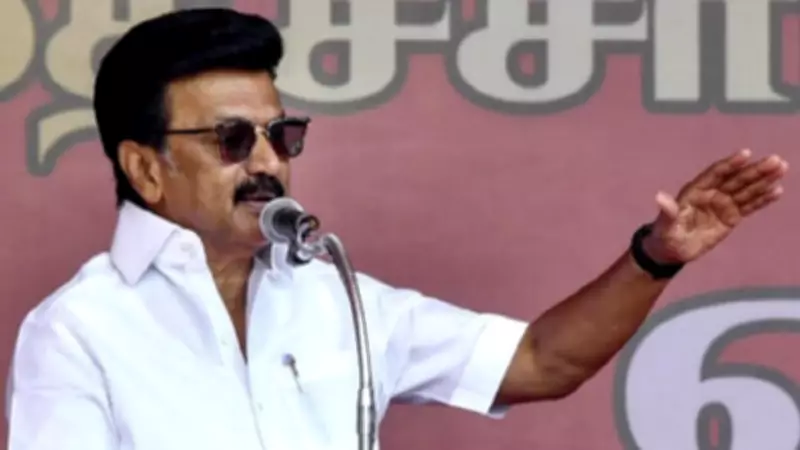
Tamil Nadu Chief Minister M K Stalin on Monday accused the Tamilaga Vettri Kazhagam (TVK) of winning the recent assembly elections through social media campaigns rather than ground-level field work. Addressing a press conference in Chennai, Stalin listed several initiatives undertaken by his party, the Dravida Munnetra Kazhagam (DMK), including conferences and work related to the Special Intensive Revision (SIR) of electoral rolls.
Stalin Criticizes TVK's Campaign Strategy
Stalin stated that while TVK relied heavily on digital platforms to connect with voters, the DMK focused on traditional grassroots engagement. He emphasized that the DMK conducted extensive field visits, public meetings, and door-to-door campaigns across the state. The Chief Minister also highlighted the party's efforts in the Special Intensive Revision of electoral rolls, which aimed to ensure accurate voter lists and increase voter participation.
DMK's Groundwork vs TVK's Digital Push
The DMK leader pointed out that his party organized multiple conferences and awareness programs to educate citizens about the electoral process. In contrast, he alleged that TVK's campaign was largely driven by social media influencers and paid advertisements, lacking direct interaction with the electorate. Stalin's remarks come amid growing debate over the role of digital media in Indian elections.

Stalin further noted that the DMK's field work helped the party understand local issues better, enabling them to address specific concerns of different constituencies. He urged voters to be cautious of parties that prioritize online presence over actual development work. The Chief Minister also called for stricter regulations on social media campaigning to ensure a level playing field.
Political analysts view Stalin's comments as an attempt to counter TVK's growing influence among young voters, who are often swayed by social media trends. The TVK, led by actor-turned-politician Joseph Vijay, made significant gains in the 2026 assembly polls, winning several seats in urban and semi-urban areas.