

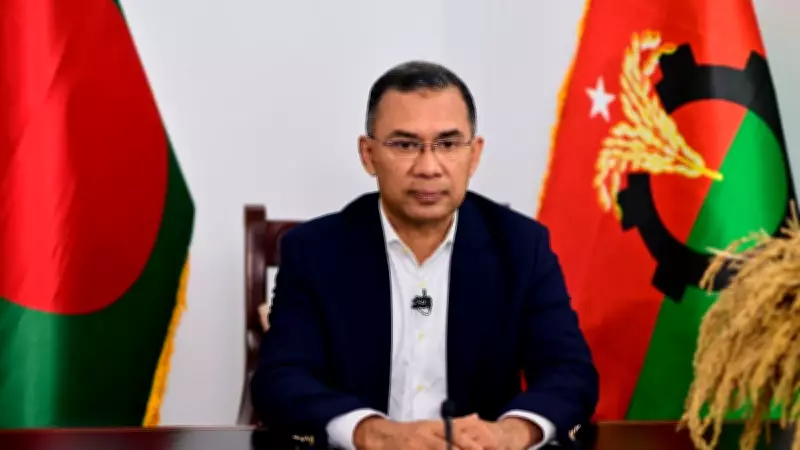
Tarique Rahman's Educational Qualifications in Focus Ahead of 2026 Prime Ministerial Role
The political landscape in Bangladesh is abuzz with discussions as Tarique Rahman, the senior vice-chairman of the Bangladesh Nationalist Party (BNP), is poised to become the next Prime Minister in 2026. This development has brought his educational background into sharp focus, with many scrutinizing his academic credentials as he prepares to take on the nation's highest office.
Who is Tarique Rahman?
Tarique Rahman is a prominent figure in Bangladeshi politics, serving as the senior vice-chairman of the BNP, one of the country's major political parties. He is the son of former Prime Minister Khaleda Zia and has been a key player in the party's leadership for years. His rise to the prime ministerial candidacy marks a significant moment in Bangladesh's political history, given his family's legacy and his own controversial past.
Educational Background Under Scrutiny
As Tarique Rahman gears up for the 2026 elections, his educational qualifications have become a topic of intense debate. According to available records, he completed his early education in Bangladesh before pursuing higher studies abroad. He holds a Bachelor's degree in Business Administration from a university in the United Kingdom, which he obtained in the late 1980s. Additionally, he has been reported to have undertaken various short-term courses in management and political science, though details on these are less documented.

Critics have raised questions about the authenticity and relevance of his degrees, especially in light of his political ambitions. Some opposition groups have alleged discrepancies in his academic records, calling for greater transparency. Supporters, however, argue that his education, combined with his political experience, makes him a suitable candidate for leadership.
Political Implications and Public Reaction
The scrutiny of Tarique Rahman's education comes at a critical time as Bangladesh prepares for the 2026 general elections. His candidacy is seen as a strategic move by the BNP to reclaim power, and his educational background is being used both as a point of attack by rivals and a point of defense by allies. Public opinion is divided, with some citizens emphasizing the importance of strong academic credentials for national leaders, while others prioritize political acumen and experience.
In recent years, there has been a growing trend in Bangladesh and globally where the educational qualifications of political leaders are closely examined. This reflects a broader demand for accountability and transparency in governance. As such, Tarique Rahman's case is not isolated but part of a larger discourse on the qualifications expected of those in high office.
Looking Ahead to 2026
With the 2026 elections on the horizon, Tarique Rahman's educational qualifications will likely remain a focal point in political campaigns. The BNP is expected to highlight his leadership skills and vision for Bangladesh, while opponents may continue to question his academic background. Regardless of the outcome, this issue underscores the evolving standards for political leadership in the country.
As Bangladesh moves forward, the debate over Tarique Rahman's education serves as a reminder of the importance of integrity and credibility in public life. It also highlights the need for clear and verifiable records from all candidates aspiring to lead the nation.






