Three Additional Arrests Made in Shimla Over 'Shirtless' Protest Incident
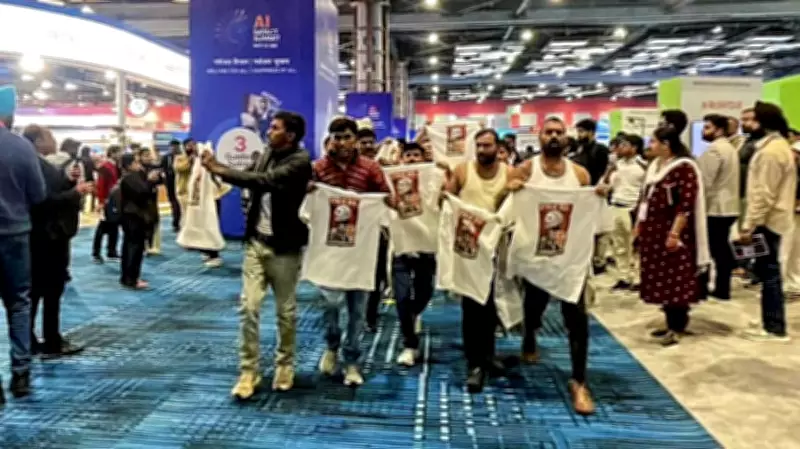
In a significant development, three more individuals have been apprehended in Shimla in relation to the controversial 'shirtless' protest that occurred at Bharat Mandapam on February 20. This incident had previously sparked a major security alert, leading to a robust police response. The arrests mark an escalation in the ongoing investigation into the protest, which has drawn widespread attention due to its unconventional nature and the serious charges involved.
Charges and Legal Proceedings
The police have invoked multiple charges against the protesters, including rioting and promoting enmity between different groups. These allegations stem from the protest's disruptive impact and potential to incite social discord. The three newly arrested individuals are currently being brought to Delhi on transit remand, a legal procedure that allows for their transfer to the jurisdiction where the case is being handled. This step underscores the seriousness with which authorities are treating the matter, as they seek to consolidate the investigation in the national capital.
Background of the Protest
The 'shirtless' protest at Bharat Mandapam on February 20 was a highly visible act that triggered an immediate and substantial security response. The event involved participants removing their shirts as a form of demonstration, which quickly drew police intervention. Initial reports indicated that the protest was organized to highlight specific grievances, though the exact motives remain under scrutiny. The police's swift action in filing charges reflects concerns over public order and the potential for such protests to escalate into larger conflicts.

Implications and Ongoing Investigation
The arrests in Shimla suggest that the investigation is expanding beyond the initial scene, possibly indicating a broader network or planning behind the protest. Authorities are likely examining the roles of all involved to determine the extent of coordination and intent. The use of transit remand highlights the procedural steps being taken to ensure a thorough legal process, with the accused expected to face further questioning and potential prosecution in Delhi. This case continues to evolve, with updates anticipated as more details emerge from the police and judicial proceedings.