Education reform activist Sonam Wangchuk concluded his 26-day hunger strike on July 24, 2026, after receiving firm assurances from the Indian government and members of Parliament from all political parties that the issue of accountability in the 'failing' examination system would be brought up for debate in Parliament. Wangchuk, who has been a vocal critic of the current educational assessment methods, announced the end of his fast through a post on social media, where he described the moment as "the end of hunger and the beginning of accountability."
Extended Fast For Negotiations
In his statement, Wangchuk revealed that his fast was originally planned for a shorter duration but was extended by two days specifically because negotiations with various stakeholders were ongoing. He emphasized that the additional period was necessary to secure a concrete commitment from both the ruling party and opposition MPs. The activist expressed gratitude to all political leaders who engaged in dialogue, ensuring that the matter would receive parliamentary attention.
Demands for Systemic Change
The core demand of Wangchuk's protest was the introduction of accountability measures in the examination system, which he describes as failing to assess true learning and instead perpetuating inequality. The activist, known for his innovative educational initiatives in Ladakh, has consistently argued that the current system places undue stress on students and lacks mechanisms to evaluate the quality of education being imparted. He has called for a paradigm shift towards holistic, skill-based assessment.

Political Consensus Achieved
According to Wangchuk's post, the assurance he received was not from a single party but from MPs across the political spectrum, including those from the ruling coalition. This rare show of unity on an educational issue underscores the widespread concern over the examination system's shortcomings. The activist noted that the discussions were productive and that the government has agreed to schedule a parliamentary session dedicated to the topic. Wangchuk, who also drew inspiration from his long-standing advocacy for practical learning, highlighted that this cross-party support is a testament to the urgency of reform.
Background and Impact
Sonam Wangchuk, a mechanical engineer and education reformer, gained national recognition for his role in developing the SECMOL campus in Ladakh and his advocacy for practical, experiential learning. He was also the inspiration for the character Phunsukh Wangdu in the Bollywood film '3 Idiots'. His hunger strike, lasting 26 days, is among the longest by an activist on education issues in recent years. The protest has reignited public debate on examination reforms, with education experts and civil society groups calling for competency-based assessments. The development demonstrates the power of sustained non-violent protest in influencing national policy.
Health and Future Steps
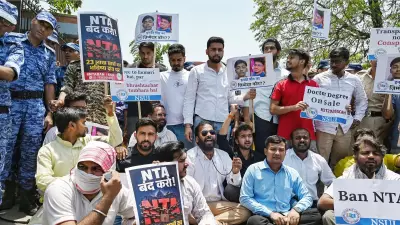
Throughout the hunger strike, Wangchuk's health was closely monitored by a medical team. He reported feeling weak but remained determined. Upon ending the fast, he urged his supporters to remain vigilant and hold the government accountable for following through on its promise. He also hinted that future actions would depend on the progress of the parliamentary debate. The activist's movement has inspired similar protests in other states, highlighting the growing demand for educational accountability across India. With the fast concluded, all eyes are now on Parliament to see how quickly it takes up the examination system issue and what concrete reforms emerge from the discussion.