

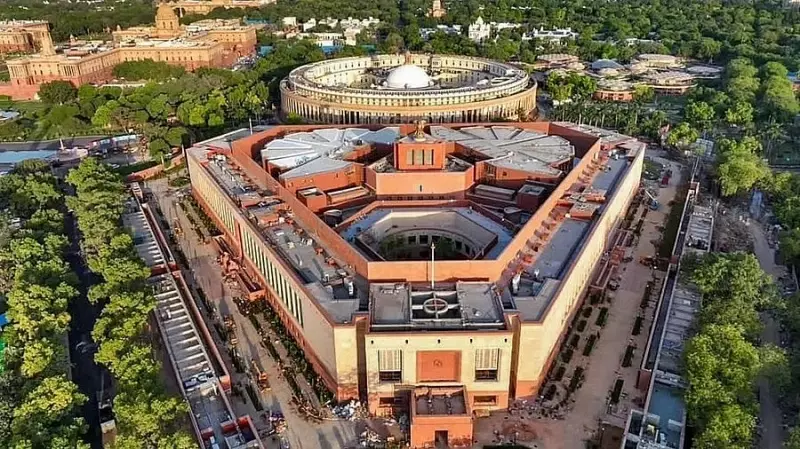
President Droupadi Murmu has formally given her assent to the Union Budget for the fiscal year 2026, setting the stage for the upcoming parliamentary session. The government has announced that the crucial Budget Session of Parliament will commence on January 28, 2026, and is scheduled to run until April 2, 2026.
Key Dates and Schedule for Parliament
The extended session will provide ample time for detailed discussions on the financial proposals laid out in the Union Budget 2026. The session will begin with the customary President's Address to both Houses, outlining the government's vision and legislative agenda for the year. Following this, the focus will shift to a thorough examination, debate, and voting on the demands for grants from various ministries, a process central to India's democratic financial oversight.
The session calendar is strategically planned, encompassing a total of over two months. This extended duration is typical for the Budget Session, allowing for the detailed scrutiny required for the country's annual financial blueprint. The session will include a recess period, after which Parliament will reconvene to complete the remaining legislative business.

The Significance of Presidential Assent
The President's assent is the final constitutional step required for the budget to become operational. This approval by President Droupadi Murmu follows the presentation of the budget by the Finance Minister and its passage through both Houses of Parliament—the Lok Sabha and the Rajya Sabha. The assent empowers the government to start implementing the new tax regimes, expenditure plans, and policy initiatives announced in the budget from the beginning of the new financial year on April 1.
This process underscores the collaborative functioning of the executive and legislative branches in India's parliamentary democracy. The budget outlines the government's estimated receipts and expenditures, impacting everything from infrastructure projects and defense spending to social welfare schemes and subsidies.
What to Expect from the Session
The forthcoming session is expected to be a busy period for lawmakers. Apart from the financial business, the government is likely to list several important bills for introduction, consideration, and passage. The opposition parties are also expected to raise matters of public importance and hold the government accountable during debates and question hours.
The session's timeline, ending in early April, ensures that all budgetary processes are completed before the start of the new fiscal year 2026-27. This allows for a smooth administrative transition and the uninterrupted flow of funds for ongoing and new government projects.
All eyes will now be on the government's legislative agenda and the dynamics of parliamentary proceedings as the nation prepares for the detailed unfolding of the Union Budget 2026's provisions over the coming weeks.






