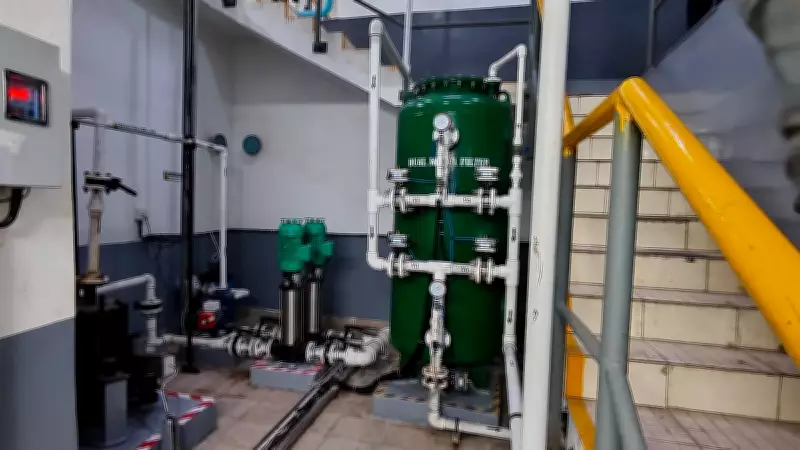
Bengaluru holds the title of India's sewage treatment plant (STP) capital, hosting the highest number of private STPs in the country. However, this status comes with a hidden crisis: a severe shortage of formally trained operators and skilled workers to manage these facilities safely and efficiently. According to Shree D N, reporting for DH Point Blank, the city's thousands of private STPs are often operated by untrained personnel, leading to operational inefficiencies, safety hazards, and environmental risks.
Scope of the Crisis
Bengaluru's rapid urbanization has resulted in a proliferation of private STPs, particularly in residential complexes, commercial buildings, and industrial zones. The exact number of private STPs is not officially tracked, but estimates suggest it runs into the thousands. These plants treat millions of liters of sewage daily, but their performance depends heavily on the competence of their operators. Currently, most operators learn on the job without any formal certification or standardized training, leading to inconsistent treatment quality and frequent breakdowns.
The lack of skilled-worker recognition exacerbates the problem. Many operators are employed informally, with low wages and no career progression, resulting in high turnover rates. This instability further compromises plant performance and increases the risk of untreated sewage being discharged into water bodies.

Need for Formal Training and Certification
Experts emphasize the urgent need for a structured training program for STP operators. Formal certification would not only improve technical skills but also provide career pathways, making the job more attractive and stable. The Karnataka State Pollution Control Board (KSPCB) has acknowledged the issue but has not yet implemented a mandatory training requirement for private STP operators.
According to Shree D N, "Formal operator training, skilled-worker recognition and automation can help safely manage the thousands of STPs here." Automation, in particular, can reduce dependence on manual intervention, enabling real-time monitoring and control of treatment processes. However, the high cost of automation remains a barrier for many small and medium-sized residential complexes.
Impact on Environment and Public Health
Improperly maintained STPs can release partially treated or untreated sewage into stormwater drains and lakes, contributing to Bengaluru's well-documented water pollution problems. The city's lakes, such as Bellandur and Varthur, have frequently experienced frothing and fish kills due to high nutrient loads from sewage. A 2023 study by the Indian Institute of Science found that nearly 40% of Bengaluru's sewage is not properly treated, with private STPs being a significant contributor to the deficit.
Environmental activists have called for stricter enforcement of STP performance standards and regular inspections. However, the KSPCB lacks the manpower to monitor thousands of private plants effectively. The workforce crisis, therefore, has direct consequences for the city's water quality and public health.
Proposed Solutions
To address the crisis, a multi-pronged approach is needed. First, the government should mandate that all STP operators undergo a certified training program, similar to the requirements for water treatment plant operators in other countries. Second, a skill development initiative should be launched to attract and retain workers, offering competitive wages and career advancement opportunities. Third, financial incentives or subsidies could encourage the adoption of automation technologies, particularly for smaller STPs.
Some residential associations in Bengaluru have already started experimenting with remote monitoring systems that alert operators to malfunctions in real time. These systems can reduce the need for constant on-site presence and help identify issues before they lead to environmental violations.
The Bangalore Water Supply and Sewerage Board (BWSSB) has also been exploring public-private partnerships to manage STPs more efficiently, but progress has been slow. Without a concerted effort to professionalize the workforce and leverage technology, Bengaluru's status as India's STP capital may become a liability rather than an asset.