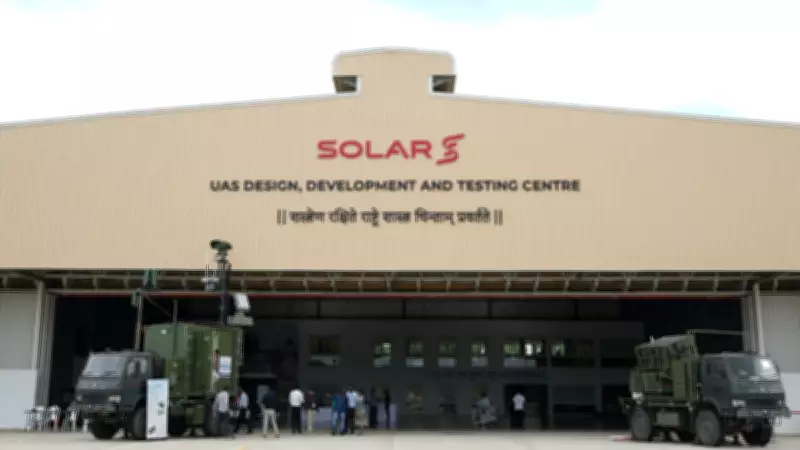
The Indian Army has taken a major step forward in countering aerial threats with the induction of the Bhargavastra, a next-generation vehicle-mounted counter-swarm drone system. Developed indigenously by the Defence Research and Development Organisation (DRDO) in collaboration with private industry, the system is designed to detect, track, and neutralize multiple hostile drones in a coordinated swarm attack.
What Makes Bhargavastra Unique?
Bhargavastra is a mobile, vehicle-mounted system that integrates advanced radar, electro-optical sensors, and electronic warfare capabilities. It can engage up to 64 drones simultaneously using a mix of directed energy, jamming, and kinetic interceptors. According to DRDO officials, the system has a detection range of up to 10 kilometers and can neutralize drones at distances of 2 to 5 kilometers. The system is mounted on a customized 4x4 or 6x6 vehicle, allowing rapid deployment in forward areas.
Capabilities and Specifications
The Bhargavastra system employs a multi-layered approach: it first uses radar to detect incoming drones, then confirms identification via optical sensors, and finally engages the threats using a combination of high-power microwave weapons and laser-based destruction. It can also deploy micro-drones to intercept and physically disable enemy drones.
According to a senior Army officer, “The Bhargavastra is a game-changer in modern warfare. It provides our forces with a robust shield against the growing menace of drone swarms, which have been used effectively in recent conflicts.” The system is fully integrated with the Army’s command and control network, enabling real-time data sharing and coordinated responses.

Strategic Importance
Drone swarms pose a significant threat to military assets, including armored vehicles, airbases, and critical infrastructure. The induction of Bhargavastra enhances India’s defensive capabilities, particularly along the borders with Pakistan and China, where drone incursions have increased. The system is expected to be deployed with frontline units, providing mobile protection for advancing troops and static installations.
DRDO has stated that the Bhargavastra system has undergone extensive field trials, successfully intercepting over 95% of simulated drone swarm attacks. The system can also be upgraded with new countermeasures as drone technology evolves. Industry sources estimate that the Indian Army will induct over 200 units of Bhargavastra in the next five years, with potential exports to friendly nations.
Conclusion
The Bhargavastra counter-swarm drone system marks a significant milestone in India’s quest for self-reliance in defense technology. By combining indigenous innovation with operational requirements, the Indian Army is now better equipped to handle the challenges of 21st-century warfare. As drone threats proliferate, systems like Bhargavastra will be crucial in maintaining battlefield superiority.