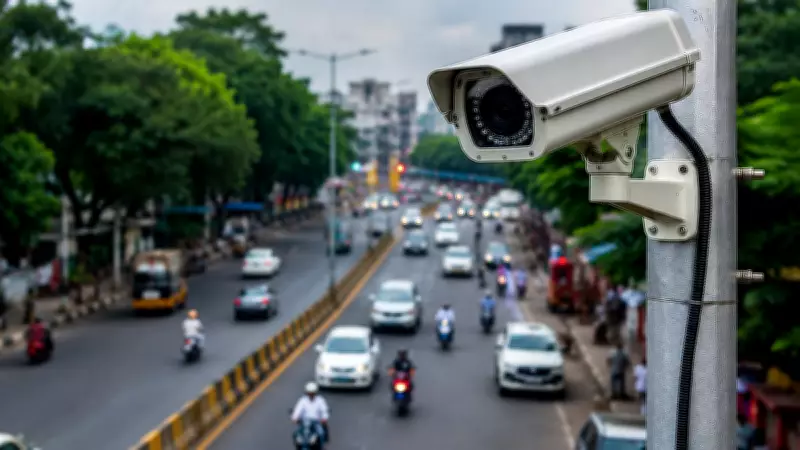
The Dakshina Kannada police department has installed a comprehensive network of surveillance cameras across Mangaluru and other parts of the district to detect traffic violations and enforce road safety regulations. The system, operational from July 24, 2026, will capture footage of vehicles breaking traffic rules, including overspeeding, jumping signals, and illegal parking. Based on the recorded evidence, the police will issue notices to the registered owners of the offending vehicles, who will be liable for fines under the Motor Vehicles Act.
How the Surveillance System Functions
The newly installed cameras are positioned at major intersections, busy roads, and accident-prone zones throughout Dakshina Kannada. According to a police statement, the cameras operate 24/7 and feed real-time data to a central monitoring room at the district police headquarters. Traffic personnel review the footage to identify violations. Once a violation is confirmed, a notice is generated electronically and dispatched to the vehicle owner's registered address. The system also allows for online payment of fines, reducing the need for physical visits to traffic police stations. The police have emphasized that the focus is on deterrence and improving compliance with traffic norms, rather than merely penalizing drivers.
Impact on Traffic Management
The introduction of automated surveillance is expected to significantly enhance the efficiency of traffic enforcement in the district. Previously, manual monitoring by traffic police staff was limited by resources and coverage area. With cameras in place, the police can monitor multiple locations simultaneously and gather evidence that is difficult to contest in court. This move is part of a broader initiative by the Karnataka state government to leverage technology for smart policing. Similar systems have been deployed in other cities like Bengaluru and Mysuru, yielding positive results in reducing traffic violations and accidents. In Dakshina Kannada, the police hope that the visible presence of cameras will encourage drivers to adhere to traffic rules, leading to safer roads for all users.

Legal Framework and Penalties
The enforcement is backed by the Motor Vehicles Act, 1988, and subsequent amendments. Offenses captured by the cameras, such as red-light jumping or unauthorized use of mobile phones while driving, attract specific fines and penalty points on the driving license. For commercial vehicles, repeated violations may lead to suspension of permits. The police have clarified that the owner of the vehicle is held responsible if the driver is not identified. Notices will include photographic evidence and instructions on how to pay the fine or contest the charge. The system is designed to ensure transparency and reduce human discretion, lowering the chances of corruption or disputes.
Public Reaction and Future Plans
Initial reactions from the public have been mixed. Many residents welcome the move as a long-overdue step to curb reckless driving, especially in school zones and residential areas. However, some have raised concerns about privacy and the potential for misuse of footage. The police have assured that the data will be stored securely and used solely for traffic enforcement purposes. In the future, the department plans to integrate the camera network with the state's e-challan system and add automatic number plate recognition (ANPR) technology to identify vehicles without valid insurance or pollution certificates. This expansion could further streamline enforcement and reduce the workload on traffic police personnel.
The initiative is part of the Dakshina Kannada Traffic Police's annual plan to modernize enforcement. The cameras were procured through a tender process and installed by a private vendor under a contract that includes maintenance for five years. The police have trained a dedicated team to operate the monitoring system. They also plan to launch a mobile app that will allow citizens to report violations using their smartphones, which will be cross-verified with camera footage.
The installation of surveillance cameras in Dakshina Kannada marks a significant shift towards data-driven traffic management. By combining technology with existing laws, the police aim to create a safer commuting environment and reduce the number of traffic-related incidents in the district.