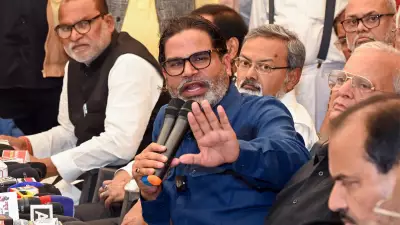
India possesses the talent and technological infrastructure to become a global creative powerhouse, yet it remains hamstrung by the absence of a coherent policy vision for its creative economy, according to Gaurav Dwivedi.
Current State of India's Creative Economy
India's creative industries—spanning film, music, gaming, animation, design, and digital content—employ millions and contribute significantly to GDP. However, unlike sectors such as information technology or manufacturing, the creative economy lacks a dedicated national policy framework to nurture and scale its potential. Dwivedi notes that while India produces the world's largest number of films and has a booming digital creator economy, these successes are largely organic and unsupported by strategic government intervention.
Why a Policy Is Needed
A comprehensive policy would address critical gaps: intellectual property protection, access to finance for creative startups, export promotion, and skill development. For instance, India's gaming industry is projected to reach $5 billion by 2027, but without formal support, it risks losing talent to countries like China and South Korea that aggressively back their creative sectors. Dwivedi argues that a policy could also foster regional creative hubs, leveraging local art forms and languages to drive inclusive growth.

According to Dwivedi, the creative economy is not just about culture but is a significant economic driver. He cites the example of South Korea, whose government-backed K-culture policy turned entertainment into a major export earner. India, with its vast diaspora and soft power, could replicate this model with targeted incentives and infrastructure.
Challenges and Opportunities
One major hurdle is the informal nature of much creative work, with many artists and creators lacking social security or formal contracts. A policy could formalize the sector, ensuring fair wages and protections. Additionally, India's digital public goods—like Aadhaar and UPI—could be leveraged to create platforms for creators to monetize their work directly. Dwivedi emphasizes that the time is ripe, given India's demographic dividend and rising digital adoption.
He also points to the need for education reform, integrating creative skills into school curricula and establishing more specialized institutions. Currently, top creative talent often migrates abroad due to better opportunities; a policy could reverse this brain drain by creating world-class facilities and funding in India.
Conclusion
Dwivedi concludes that without a policy, India risks squandering its creative potential. He calls for a multi-stakeholder approach involving government, industry, and academia to draft a national creative economy policy. The country has the raw ingredients—talent, technology, and a young population—but needs the vision to orchestrate them into a global force.