Minister Unveils Plan to Tackle ORR Bottlenecks
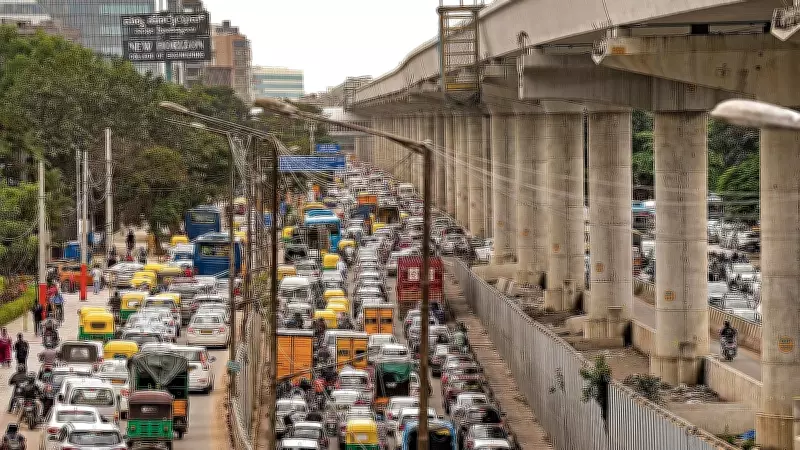
Karnataka’s Minister for Revenue and Transport, Krishna Byre Gowda, has announced a series of significant measures aimed at reducing chronic congestion on Bengaluru’s Outer Ring Road (ORR). The announcement, made on 26 July 2026, comes in response to growing commuter frustration and worsening traffic jams that affect thousands of daily users.
Parking Shortage and Random Crossings Identified as Key Issues
In his statement, Minister Byre Gowda highlighted that the lack of adequate parking space along the ORR and the prevalence of random vehicle crossings are major contributors to traffic snarls. He noted that these factors force vehicles to stop or slow down unpredictably, creating ripple effects that slow overall traffic flow. The minister emphasized that these issues have been exacerbated by rapid commercial development along the corridor.
Proposed Steps Include Dedicated Parking Zones and Regulated Crossings
To address these problems, the minister mooted several concrete steps. Among them are the creation of dedicated parking zones at strategic intervals, strict enforcement of no-parking rules, and the installation of regulated crossing points with pedestrian bridges and signalized vehicular crossovers. He also suggested the deployment of traffic wardens to manage movement during peak hours and the use of smart traffic management systems to synchronize signals.

Impact Expected on Commute Times and Air Quality
According to the minister, these measures are expected to reduce average commute times on the ORR by up to 30% during peak periods. Improved traffic flow would also lower fuel consumption and vehicular emissions, contributing to better air quality in the city. The plan aligns with the state government’s broader vision of making Bengaluru’s roads more efficient and safer.
Implementation Timeline and Coordination
Byre Gowda stated that the Bangalore Development Authority and the Bruhat Bengaluru Mahanagara Palike will collaborate to implement the changes. A detailed feasibility study will be conducted within the next three months, with pilot projects slated to begin by early 2027. The minister called for public cooperation and urged commuters to adhere to new parking norms and use designated crossing points.
Reactions from Commuters and Experts
Commuters have generally welcomed the announcement, though some expressed skepticism about enforcement. Urban mobility experts point out that sustained political will and adequate funding will be critical for success. The minister assured that the government is committed to delivering results and that regular reviews will be conducted to assess progress.