

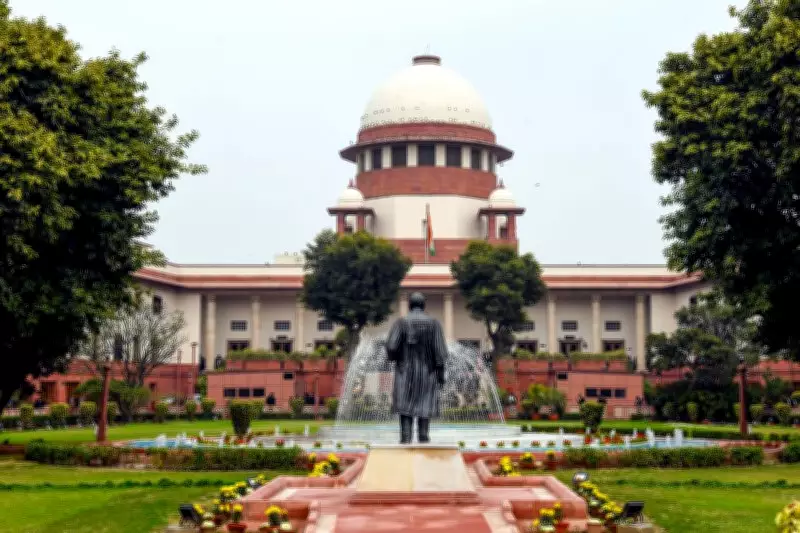
The Supreme Court of India has endorsed a proposal to establish a National Digital Registry for the Legal Profession (NDRLP), calling it an innovative idea that can help eliminate fraudulent practitioners with bogus degrees. The registry aims to create a unified digital database with verified qualifications, enrolment status, disciplinary records, and a unique identification number for each advocate.
Addressing the Problem of Fake Lawyers
Alarming estimates suggest that 35-40% of advocates in India may possess fake or unverifiable law degrees. With nearly 1.8 million enrolled lawyers and fragmented records across 23 state Bar Councils, the lack of a central verification mechanism has allowed fraudulent practitioners to operate unchecked. The proposed NDRLP seeks to bridge this gap by linking advocates' records with universities, the University Grants Commission, and Bar Councils through a QR-verifiable platform.
Benefits for Litigants and the Legal System
A QR-verifiable system would enable litigants to instantly confirm whether a lawyer is genuinely qualified, thereby protecting citizens from legal fraud. However, technology alone cannot solve the problem. The registry's effectiveness depends on close coordination among universities, the Bar Council of India, and the government.

Need for Audits and Disciplinary Action
Regular audits, strict verification procedures, and disciplinary action must accompany the initiative. The legal profession is the backbone of constitutional democracy, and the influx of fake advocates weakens public confidence in the justice delivery system. The NDRLP, if endorsed by all key stakeholders, offers an opportunity to not only maintain accurate records but also strengthen integrity, professionalism, and faith in India's legal ecosystem.






