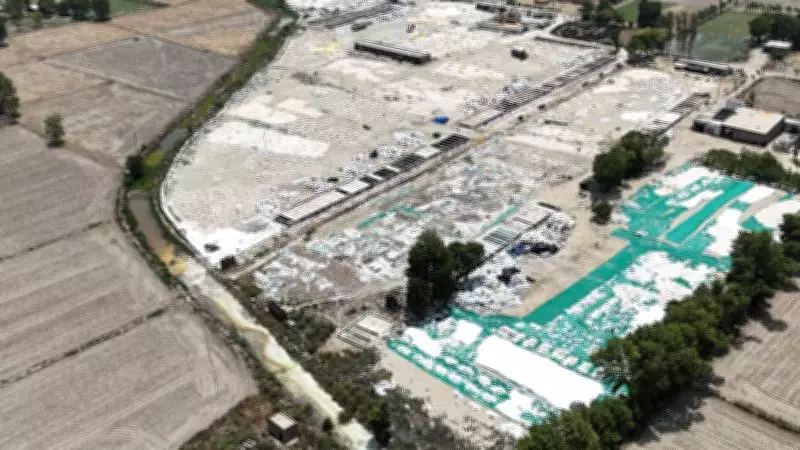
In response to a recent investigative report published by The Tribune, the Deputy Commissioner (DC) of Panipat has ordered a comprehensive survey of all illegal bleach houses operating in the district. These units have been accused of causing severe environmental pollution and posing health risks to local residents.
Background of the Issue
The Tribune's report highlighted the rampant operation of unauthorized bleach houses in Panipat, which were discharging untreated chemical waste into water bodies and emitting toxic fumes. The lack of regulatory oversight allowed these units to function without any environmental clearance, leading to widespread contamination of soil and groundwater in the vicinity.
DC's Directive
Taking cognizance of the report, the Deputy Commissioner issued strict instructions to the Haryana State Pollution Control Board (HSPCB) to conduct a thorough survey across the district. The survey aims to identify all such illegal bleach houses, assess the extent of pollution caused, and recommend immediate remedial measures. The DC has also directed the HSPCB to initiate legal action against the owners of these units under the relevant environmental laws.

HSPCB's Response
The HSPCB has acknowledged the directive and has formed a special team to carry out the survey. The team will visit industrial areas and rural pockets where such illegal operations are suspected. Preliminary investigations suggest that there are over 50 such unauthorized bleach houses in Panipat, many of which have been operating for years without any pollution control measures.
Community Concerns
Local residents have welcomed the DC's intervention, expressing relief that action is finally being taken. Many have reported health issues such as respiratory problems, skin allergies, and waterborne diseases, which they attribute to the pollution from these bleach houses. Environmental activists have also praised the move but emphasized the need for sustained monitoring and stricter enforcement to prevent a recurrence.
Next Steps
The survey is expected to be completed within two weeks, after which the HSPCB will submit a detailed report to the DC's office. Based on the findings, the district administration will decide on further actions, including the sealing of illegal units and the recovery of environmental compensation from the polluters. The DC has assured the public that no leniency will be shown to those violating environmental norms.
This development marks a significant step towards curbing industrial pollution in Panipat and sets a precedent for other districts facing similar challenges. The Tribune's role in bringing this issue to light underscores the importance of investigative journalism in holding authorities accountable.