Speaker Assures Timely Action on Anti-Sacrilege Law Amendments
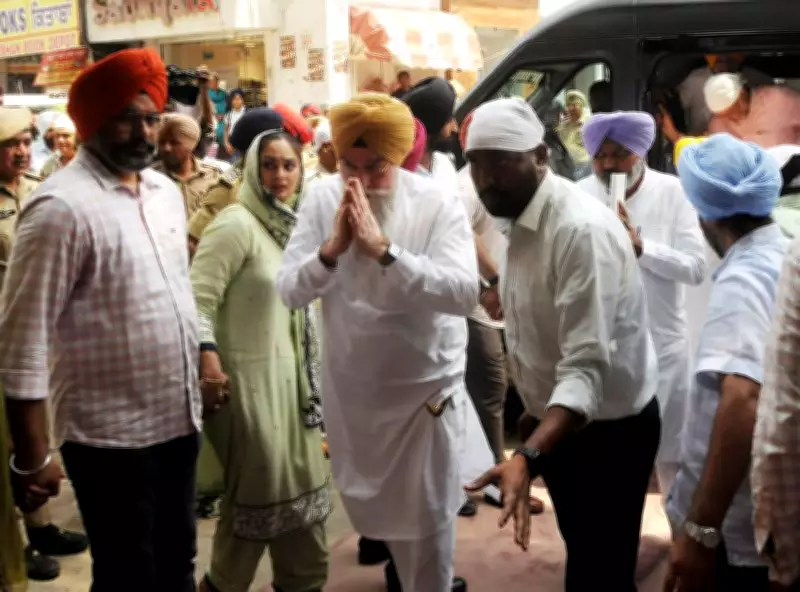
Punjab Vidhan Sabha Speaker and Kotkapura MLA Kultar Sandhwan announced on Monday that the state government would act on any proposed amendments to the anti-sacrilege law within a month of receiving formal directions from the Akal Takht Jathedar. Sandhwan made the statement after leading a delegation of all Sikh Aam Aadmi Party (AAP) legislators and ministers to the Akal Takht, the highest temporal authority for Sikhs.
Delegation Meets Akal Takht Jathedar
The delegation, which included several AAP MLAs and cabinet ministers, met with the Akal Takht Jathedar to discuss proposed changes to the existing anti-sacrilege legislation. Sandhwan emphasized that once the Jathedar formally communicates the list of proposed changes, he will place it before the state government and the party legislators for detailed deliberations.
Final Decision Aligned with Akal Takht Directives
The Speaker added that a final decision would be taken in accordance with the directives of the Akal Takht. This move underscores the Punjab government's commitment to addressing concerns related to sacrilege incidents, which have been a sensitive issue in the state. The proposed amendments aim to strengthen the legal framework to prevent and punish acts of sacrilege.

Background of the Anti-Sacrilege Law
The Punjab government had earlier enacted a stringent law to deal with sacrilege cases, following widespread protests over incidents of religious desecration. The proposed amendments are expected to further tighten provisions, including faster trials and stricter penalties. The Akal Takht's involvement highlights the religious and political significance of the issue.
Political Implications
The delegation to the Akal Takht reflects the AAP government's efforts to engage with religious institutions and address community concerns. Sandhwan's assurance of a one-month timeline for action is seen as a move to build trust among Sikh voters and demonstrate responsiveness to religious leadership. The final amendments, once approved, will be tabled in the Punjab Assembly for legislative approval.