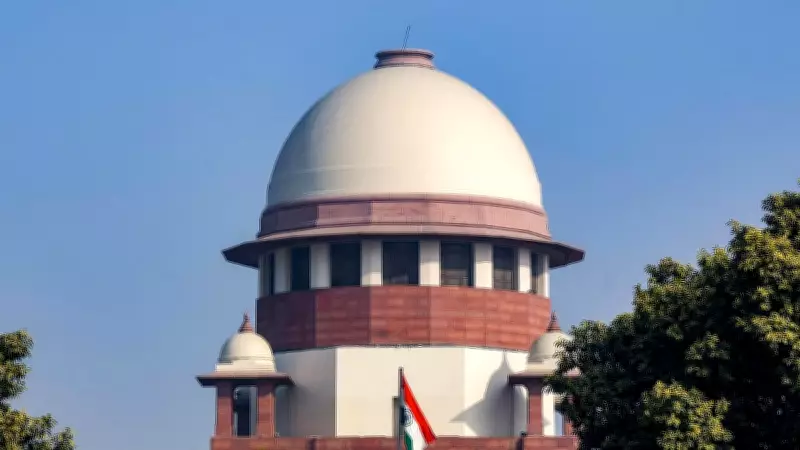
The Supreme Court of India has underscored that legal aid must be meaningful and effective, rather than being merely a formality. The observation came from a bench comprising Justices Sanjay Kishan Kaul and Sudhanshu Dhulia while hearing a petition related to the right to legal representation.
Emphasis on Effective Legal Aid
The court stated that the mere appointment of a lawyer does not fulfill the constitutional mandate of providing legal aid. It stressed that the quality of legal assistance should be such that it ensures a fair trial and upholds the principles of justice. The bench remarked that legal aid should not be reduced to a mechanical process where a lawyer is assigned without proper engagement or competence.
Constitutional Obligations
The justices highlighted Article 39A of the Constitution, which obligates the state to ensure that the legal system promotes justice on the basis of equal opportunity. The court noted that this provision is a cornerstone of the Indian legal framework, aimed at ensuring that no citizen is denied access to justice due to economic or other disabilities.

Need for Training and Accountability
The Supreme Court also called for better training of legal aid lawyers and a system of accountability to ensure that they perform their duties diligently. It suggested that legal aid authorities must monitor the quality of representation provided and take corrective measures where necessary. The bench observed that many legal aid lawyers are overburdened or lack the necessary expertise, which undermines the purpose of legal aid.
Case Background
The petition before the court involved a convicted individual who claimed that the legal aid lawyer appointed for his appeal did not effectively represent his case. The petitioner argued that the lawyer failed to raise crucial points, leading to an unjust outcome. The Supreme Court, while not commenting on the specifics of the case, used the opportunity to lay down broader principles regarding legal aid.
Impact on Undertrial Prisoners
The court noted that undertrial prisoners, who constitute a significant portion of the prison population, are particularly vulnerable to inadequate legal representation. It emphasized that meaningful legal aid can help reduce the number of undertrials and prevent prolonged detention without trial. The bench urged legal services authorities to prioritize cases involving undertrials and ensure that they receive competent legal assistance.
Call for Systemic Reforms
The Supreme Court urged the government and legal aid bodies to take concrete steps to strengthen the legal aid system. This includes increasing the budget for legal aid, improving infrastructure, and leveraging technology to connect lawyers with those in need. The court also suggested the use of pro bono services from senior advocates and law firms to supplement the efforts of legal aid lawyers.
The judgment is expected to have far-reaching implications for the legal aid framework in India. It reinforces the idea that access to justice is a fundamental right and that the state must ensure that legal aid is not just a box-ticking exercise but a genuine tool for empowering the marginalized.