

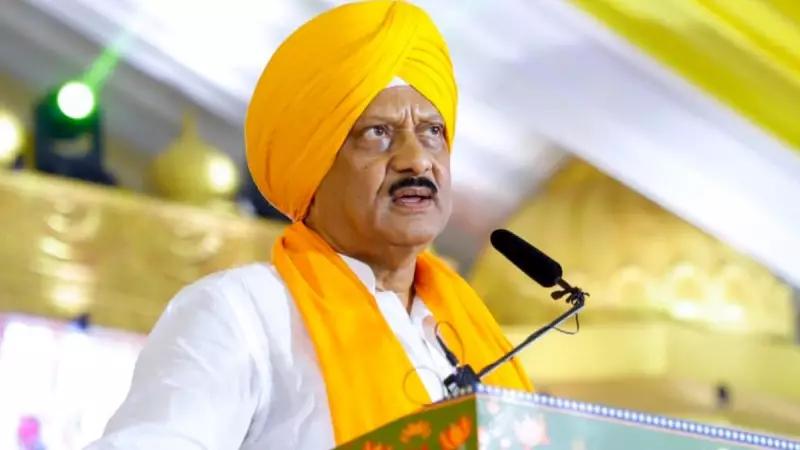
Ajit Pawar Family Tree: A Deep Dive into Maharashtra's Political Legacy
The political landscape of Maharashtra is intricately woven with dynastic legacies, and few families exemplify this more than the Pawar clan. At the heart of this influential network stands Ajit Pawar, a prominent figure whose family tree reveals a tapestry of power, connections, and enduring political influence. This exploration delves into the lineage that has shaped one of the state's most formidable political forces.
The Patriarch: Sharad Pawar and His Enduring Influence
To understand Ajit Pawar's political roots, one must first look to his uncle, Sharad Pawar. A veteran politician and founder of the Nationalist Congress Party (NCP), Sharad Pawar has been a towering figure in Indian politics for decades. His strategic acumen and extensive network have laid the foundation for the family's prominence. Ajit Pawar, as Sharad's nephew, has inherited not just a political legacy but also a vast reservoir of support and mentorship that has propelled his career forward.
Ajit Pawar: The Political Heir and His Rise to Power
Ajit Pawar, born into this politically charged environment, has carved out his own significant role in Maharashtra's governance. Serving multiple terms as the Deputy Chief Minister of the state, he has been instrumental in key policy decisions and administrative reforms. His political journey is deeply intertwined with his family background, leveraging the Pawar name to build alliances and navigate the complex dynamics of state politics. Over the years, Ajit has emerged as a key strategist and a powerful voice within the NCP, often seen as a natural successor to his uncle's legacy.

Family Connections and Political Alliances
The Pawar family tree extends beyond immediate relatives, encompassing a web of political alliances and marital ties that reinforce their influence. Key family members have held various positions in local and state governance, creating a robust support system. This network includes:
- Close Kin in Politics: Several relatives have served as legislators, ministers, or party officials, ensuring the family's presence across multiple levels of government.
- Marital Alliances: Strategic marriages have linked the Pawars with other influential political families in Maharashtra, broadening their reach and consolidating power.
- Grassroots Support: The family maintains strong ties with local communities, particularly in their stronghold regions, which has been crucial for electoral success.
The Impact on Maharashtra's Political Scene
The Pawar dynasty's influence is not merely a matter of familial ties; it has tangible effects on Maharashtra's political and developmental trajectory. Under the leadership of figures like Ajit Pawar, the family has championed various initiatives in agriculture, infrastructure, and social welfare, often aligning with the state's needs. However, this concentration of power has also sparked debates about dynastic politics and its implications for democracy in India. Critics argue that such lineages can limit opportunities for new leaders, while supporters point to the stability and experience they bring.
Challenges and the Future of the Dynasty
Despite their stronghold, the Pawar family faces evolving challenges in Maharashtra's dynamic political environment. With shifting alliances and the rise of new political forces, maintaining their dominance requires constant adaptation. Ajit Pawar's role is pivotal in this context, as he balances upholding the family legacy with navigating contemporary political realities. The future of this dynasty will likely depend on how well it can integrate younger generations and address public expectations for transparency and inclusivity.
In summary, the family tree of Ajit Pawar offers a fascinating glimpse into the mechanisms of political power in Maharashtra. From Sharad Pawar's foundational leadership to Ajit's strategic maneuvers, this lineage continues to shape the state's governance. As Maharashtra moves forward, the interplay between this established dynasty and emerging political trends will be a key area to watch, reflecting broader themes in Indian politics.






