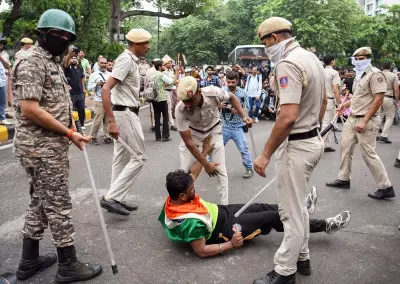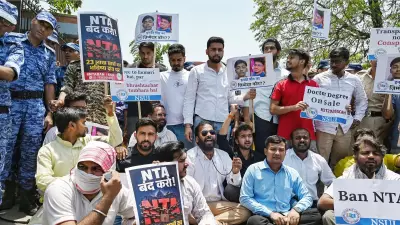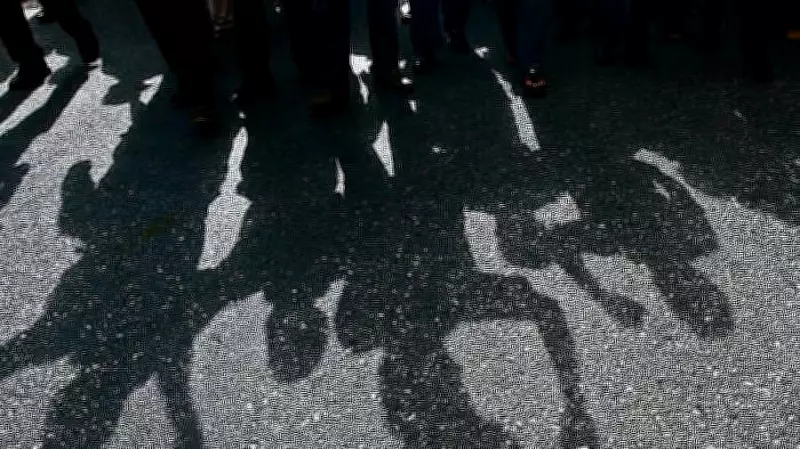
Numerous schools, colleges, and coaching centres across Andhra Pradesh remained closed on Thursday as students and political organisations protested against alleged irregularities in the National Eligibility cum Entrance Test (NEET). The strike, called by the Students Federation of India (SFI), aimed to draw attention to what protesters claim are systemic flaws in the medical entrance examination process.
Details of the Protest
SFI state secretary Prasanna Kumar confirmed that the statewide strike witnessed significant participation from students and teachers alike. "The strike was a success, with a large number of students taking part and educational institutions observing closure for a day," Kumar said in a statement. The protest was peaceful, with student groups holding demonstrations in several district headquarters, including Vijayawada, Visakhapatnam, and Guntur.
Educational institutions in both urban and rural areas remained shuttered, with many voluntarily supporting the shutdown to express solidarity with student demands. Parents and local community members also joined the protests in some locations, highlighting widespread concern over the integrity of the NEET exam.

Background of NEET Irregularities
The NEET exam, conducted by the National Testing Agency (NTA) for admission to undergraduate medical courses, has faced repeated allegations of irregularities in recent years. Complaints include paper leaks, question paper discrepancies, and unfair advantage to certain candidates. Students have demanded a thorough investigation into the alleged malpractices and stricter measures to ensure a level playing field.
In 2024 and 2025, similar protests erupted in multiple states after reports of compromised exam security. The current protest in Andhra Pradesh reflects ongoing frustration among aspirants who fear that their hard work could be undermined by systemic failures.
Impact on Students and Education
The day-long closure disrupted academic schedules, with many institutions cancelling classes and examinations. Students who had been preparing for upcoming college exams faced additional stress due to the disruption. However, protest organisers argued that the temporary inconvenience was necessary to safeguard the future of medical education in India.
"If we don't raise our voices now, the credibility of NEET will be destroyed," said a student protester in Guntur. Teachers and academic staff also expressed support, with some colleges allowing students to participate without penalising attendance.
Broader Implications
The strike has reignited debates over the transparency of national entrance examinations. Activists and opposition parties have called for the government to implement reforms, including digitised monitoring of exam centres and stricter penalties for malpractice. The SFI has announced plans for further actions if their demands are not addressed by the authorities.
As of now, no official response has been issued by the Andhra Pradesh government or the NTA regarding the protest. However, the large-scale shutdown sends a clear message that students are unwilling to accept irregularities in a test that determines their future careers in medicine.