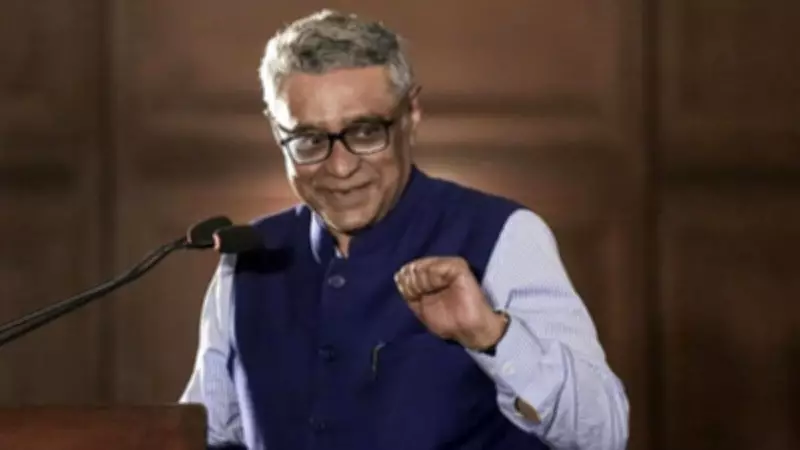
West Bengal Finance Minister Swapan Dasgupta on Saturday declared that the state has received Rs 70,000 crore from the central government since the Bharatiya Janata Party (BJP) formed the government at the Centre. He warned that without this financial assistance, the state would have faced certain bankruptcy. The statement came during the passage of the Bill authorising expenditure by the state government from its consolidated fund in the state assembly.
Financial aid from Centre crucial for Bengal
Dasgupta emphasised the dependency of West Bengal on central funds, highlighting that the Rs 70,000 crore transferred over the past few years has been instrumental in maintaining the state's fiscal health. He noted that the state's own revenue generation has not been sufficient to meet its expenditure commitments, making central assistance a lifeline. The finance minister pointed out that the fund infusion has helped in implementing welfare schemes and infrastructure projects.
According to Dasgupta, the state government had been facing severe financial constraints due to a decline in tax collections and increased spending on relief measures. He attributed the recovery to the timely release of central funds, which prevented a default on payments. The minister's remarks came as a response to opposition criticism that the state was not receiving its due share from the Centre.

Bill passed amid political debate
The Bill, which authorises expenditure for the financial year, was passed by voice vote after a brief debate. Opposition members accused the state government of mismanaging finances and relying excessively on central handouts. In his reply, Dasgupta countered that the Centre's assistance was a constitutional obligation and not a favour. He cited data showing that West Bengal's share in central taxes and grants has increased under the current Union government.
The finance minister also clarified that the Rs 70,000 crore figure includes grants under various centrally sponsored schemes and tax devolution as per the Finance Commission's recommendations. He insisted that the funds were used transparently for public welfare and development. The assembly proceedings were marked by exchanges between treasury and opposition benches over the state's fiscal prudence.
Implications for state finances
Experts view Dasgupta's statement as an acknowledgment of the state's dependence on central resources. West Bengal's fiscal deficit has been a concern, with the state struggling to raise its own tax revenue. The central funds have helped bridge the gap, but concerns remain about long-term sustainability. The finance minister's warning about bankruptcy underscores the precarious state of Bengal's finances before the infusion of central funds.
The passage of the expenditure Bill now allows the state to continue its planned spending for the remainder of the fiscal year. The government has outlined priorities such as education, health, and rural development. However, opposition parties have called for greater fiscal autonomy and accountability. The debate over central-state financial relations is expected to continue as elections approach.