

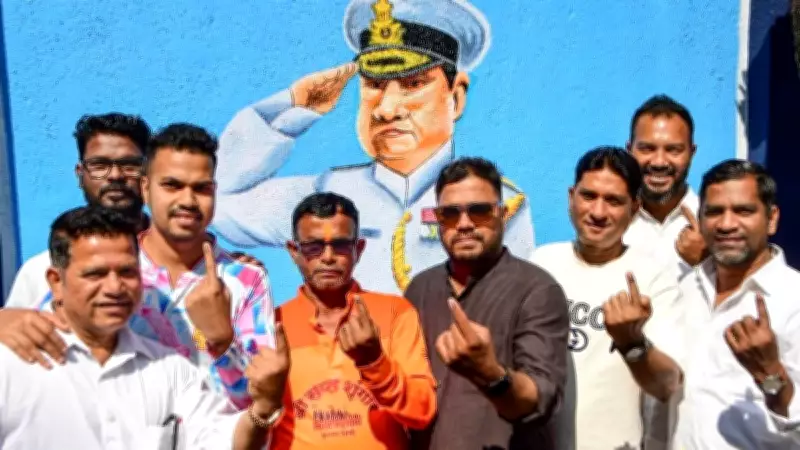
2017 Elections in Dharashiv-Osmanabad: A Turning Point for Local Governance
The 2017 elections for the Zilla Parishad and Panchayat Samitis in the Dharashiv-Osmanabad district of Maharashtra marked a significant moment in the region's political landscape. These local body polls, crucial for grassroots administration, saw intense competition among major political parties, reshaping the dynamics of rural governance and community development initiatives.
Electoral Context and Political Stakes
Held as part of Maharashtra's broader local elections, the 2017 polls in Dharashiv-Osmanabad were conducted to elect members to the Zilla Parishad, the district-level governing body, and various Panchayat Samitis, which oversee block-level administration. This electoral process is fundamental to decentralised governance, empowering local representatives to address issues such as infrastructure, education, healthcare, and agricultural support directly affecting rural populations.
The elections garnered substantial attention due to the district's strategic importance in Maharashtra's political arena. Historically, the region has been a battleground for dominant parties, including the Bharatiya Janata Party (BJP), the Indian National Congress, and regional factions like the Nationalist Congress Party (NCP). In 2017, these entities mobilised extensive campaigns, focusing on promises of improved rural amenities, water management solutions, and enhanced livelihood opportunities to sway voter sentiment.

Key Outcomes and Political Shifts
Results from the 2017 elections revealed notable shifts in political allegiance and representation across Dharashiv-Osmanabad. The BJP made significant inroads, securing a considerable number of seats in both the Zilla Parishad and Panchayat Samitis, reflecting its growing influence in rural Maharashtra. This performance was attributed to effective grassroots outreach and alignment with state-level governance trends under the BJP-led government.
Conversely, traditional parties like the Congress and NCP faced challenges, with their seat shares experiencing a decline compared to previous elections. Analysts pointed to factors such as internal dissent, lack of cohesive local strategies, and voter dissatisfaction with incumbent performances as contributors to this downturn. Independent candidates and smaller regional groups also played a pivotal role, capturing seats in several Panchayat Samitis, thereby diversifying the political fabric and introducing new voices into local decision-making processes.
Impact on Local Governance and Development
The electoral outcomes had immediate implications for governance and development in Dharashiv-Osmanabad. With the BJP's strengthened position, policies emphasising infrastructure upgrades, such as road construction and electrification projects, gained momentum. Additionally, initiatives targeting agricultural support, including irrigation schemes and crop insurance programs, were prioritised to address the district's agrarian economy.
However, the presence of diverse political representatives also led to collaborative and sometimes contentious dynamics in the Zilla Parishad and Panchayat Samitis. Debates over resource allocation, implementation of welfare schemes, and transparency in administration became focal points, highlighting the complexities of multi-party governance at the local level. This environment underscored the importance of effective coordination among elected members to ensure equitable development across the district's villages and blocks.
Broader Political Implications and Future Outlook
The 2017 elections in Dharashiv-Osmanabad served as a microcosm of broader political trends in Maharashtra, illustrating the BJP's expanding rural base and the evolving strategies of opposition parties. These results influenced subsequent state and national electoral calculations, with parties refining their approaches to local body polls based on insights gained from this contest.

Looking ahead, the legacy of the 2017 polls continues to shape political discourse in the region. Issues such as water scarcity, employment generation, and healthcare access remain critical, with ongoing governance efforts rooted in the mandates established during these elections. As Dharashiv-Osmanabad prepares for future electoral cycles, the lessons from 2017 emphasise the need for inclusive policies and robust civic engagement to foster sustainable development and responsive local administration.
In summary, the 2017 Zilla Parishad and Panchayat Samiti elections in Dharashiv-Osmanabad were a pivotal event, driving political realignments and setting the stage for transformative governance in this key district of Maharashtra.





