

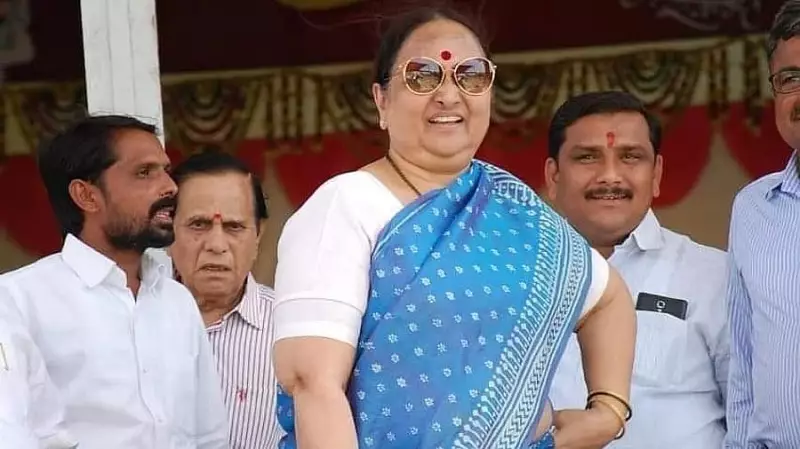
Former Union Minister Suryakanta Patil Makes Candid Remark on Ajit Pawar's Chief Ministerial Aspirations
In a revealing political disclosure, former Union Minister Suryakanta Patil has shared a bold statement she made to senior Nationalist Congress Party (NCP) leader Ajit Pawar. Patil, a prominent figure in Maharashtra politics, disclosed that she explicitly told Pawar she would only agree to meet him once he ascends to the position of Chief Minister of Maharashtra. This comment sheds light on the intricate power dynamics and ambitions within the state's political landscape, particularly concerning the NCP's leadership and future directions.
Background of the Political Figures Involved
Suryakanta Patil, who served as a Union Minister in previous governments, is known for her straightforward approach in political circles. Ajit Pawar, the nephew of NCP founder Sharad Pawar, has long been a key player in Maharashtra politics, currently serving as the Deputy Chief Minister. His aspirations for the top post have been a subject of speculation and discussion, especially given the state's coalition politics and internal party dynamics. Patil's remark underscores the high stakes and personal ambitions that often characterize such political environments.
Implications for Maharashtra's Political Scene
This statement by Suryakanta Patil is not just a personal anecdote but reflects broader themes in Maharashtra's governance and party politics. It highlights:

- Leadership Contests: The ongoing competition for the Chief Minister's role within the NCP and among coalition partners.
- Personal Relationships: How political figures navigate alliances and rivalries through direct communication.
- Future Projections: The anticipation of potential shifts in power, especially as state elections and party strategies evolve.
Patil's condition for meeting Pawar suggests a strategic positioning, possibly indicating her support or acknowledgment of his capabilities, while also setting a clear benchmark for their interaction. This could influence party morale and public perception, as such statements often resonate with voters and insiders alike.
Broader Context of Political Statements in India
In Indian politics, such candid remarks are not uncommon and often serve multiple purposes. They can:
- Signal Alignment: Show support for a leader's ambitions without explicit endorsement.
- Generate Publicity: Draw attention to key issues or personalities in the media.
- Shape Narratives: Influence how political stories are framed in public discourse.
Patil's comment fits into this pattern, offering a glimpse into the behind-the-scenes negotiations and expectations that drive political movements. As Maharashtra continues to be a pivotal state in national politics, such developments are closely watched for their potential impact on governance and electoral outcomes.
Overall, Suryakanta Patil's revelation adds a new layer to the ongoing narrative around Ajit Pawar's career and the future of Maharashtra's leadership. It serves as a reminder of the personal and professional stakes involved in India's vibrant democratic processes.






