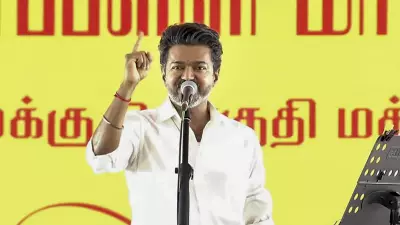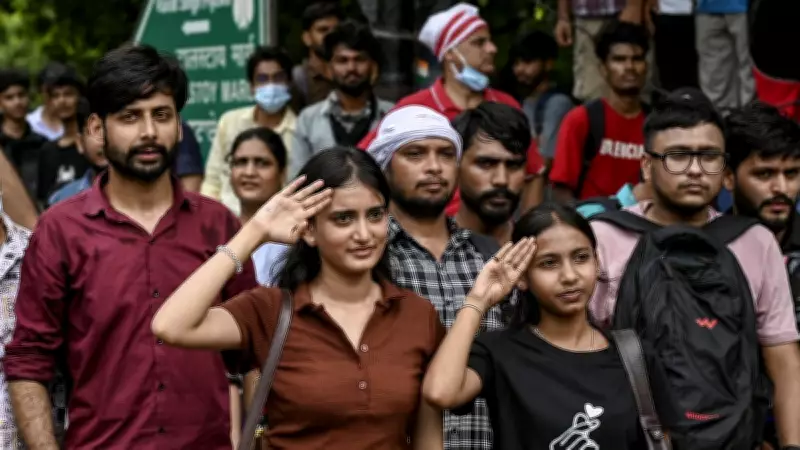
Gen Z is rapidly emerging as a transformative force in Indian politics, challenging long-established norms and forcing traditional parties to rethink their strategies. From protest movements to the formation of new political entities like the Cockroach Janta Party, young Indians are rewriting the rules of political engagement. Political analysts note that the landscape of political communications and the way politics is conducted is headed for a fundamental overhaul.
The Rise of New Political Actors
The Cockroach Janta Party, a satirical yet symbolic protest group, epitomizes Gen Z's approach to politics. Using humor and social media, the party has captured attention by mocking the political establishment while raising serious issues such as corruption and environmental degradation. This reflects a broader trend: young Indians are no longer content with being passive voters; they are creating their own platforms and narratives.
Observers point out that Gen Z's political activism is deeply rooted in digital fluency. Platforms like Instagram, Twitter, and YouTube serve as primary arenas for debate and mobilization. Unlike older generations, Gen Z favors direct, visual, and meme-driven communication. This has forced political parties to invest in digital teams and adopt a more informal, relatable tone in their messaging.

Protest Movements and Digital Mobilization
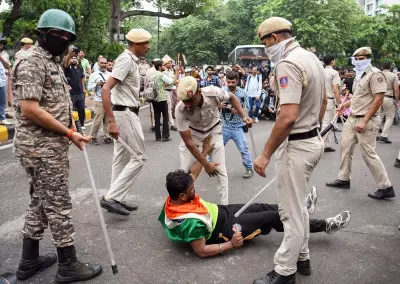
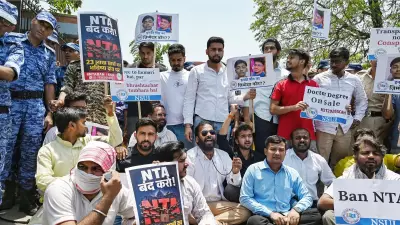
The 2024 student protests in Delhi and the subsequent nationwide demonstrations highlighted the power of Gen Z-organized movements. Using WhatsApp groups and TikTok-style videos, protesters coordinated logistics and spread their message with unprecedented speed. The police and government struggled to counter the decentralized nature of these protests. According to political communication expert Dr. Ravi Kumar, "Gen Z treats politics like a game of Minecraft—they build and rebuild structures collaboratively, and they don't wait for permission."
These protests have also sparked debates about censorship and the right to dissent. Gen Z activists argue that their methods are not just attention-seeking but are necessary to break through the noise of traditional media. They prioritize visibility over institutional credibility, which often puts them at odds with older politicians.
Impact on Electoral Politics
Traditional parties are scrambling to adapt. The Bharatiya Janata Party and the Indian National Congress have launched youth outreach programs, but many young Indians view these as tokenistic. Instead, they are gravitating toward newer, agile formations like the Cockroach Janta Party or even apolitical issue-based campaigns. In the 2026 local elections in Pune, the Cockroach Janta Party's candidate secured 12% of the vote, surprising analysts. This signals that Gen Z can translate online energy into real-world electoral impact.
The shift is also evident in the language of politics. Manifestos now include terms like "climate justice," "mental health," and "digital rights," issues that were peripheral a decade ago. However, some critics argue that Gen Z's politics lacks substance and longevity. Veteran journalist Meena Sharma states, "Gen Z is great at trending hashtags but poor at building institutional memory. The challenge is to convert hashtags into sustained policy change."
Redefining Political Communications
The overhaul of political communication is perhaps the most visible change. Parties are hiring social media influencers, creating meme factories, and using data analytics to micro-target young voters. The Congress party's recent digital campaign featured a series of short videos with Gen Z influencers discussing student loans and unemployment. The BJP has partnered with gaming streamers to reach young men. These efforts indicate a recognition that traditional rallies and door-to-door canvassing are insufficient.
Yet, Gen Z remains skeptical. Many see these attempts as inauthentic. Social media is flooded with parodies of politicians trying to use slang. The Cockroach Janta Party has capitalized on this by producing content that explicitly mocks these efforts. Their slogan, "Sach ka Tandav, Naach Naach Kar Dikhayenge," combines humor with a call for transparency.

Challenges and Future Outlook
Despite their influence, Gen Z faces significant barriers. The legal system is slow to respond to online organizing, and there is a risk of digital surveillance. Moreover, the digital divide means that many rural youths are left out of this new politics. The Cockroach Janta Party has attempted to bridge this by organizing offline meets in small towns, but resources are limited.
Political analysts predict that Gen Z's impact will only grow. With India having one of the youngest populations globally, the next general election could see a record number of first-time voters. The playbook of Indian politics is indeed being rewritten, but whether the new draft will lead to deeper democracy or further fragmentation remains to be seen.