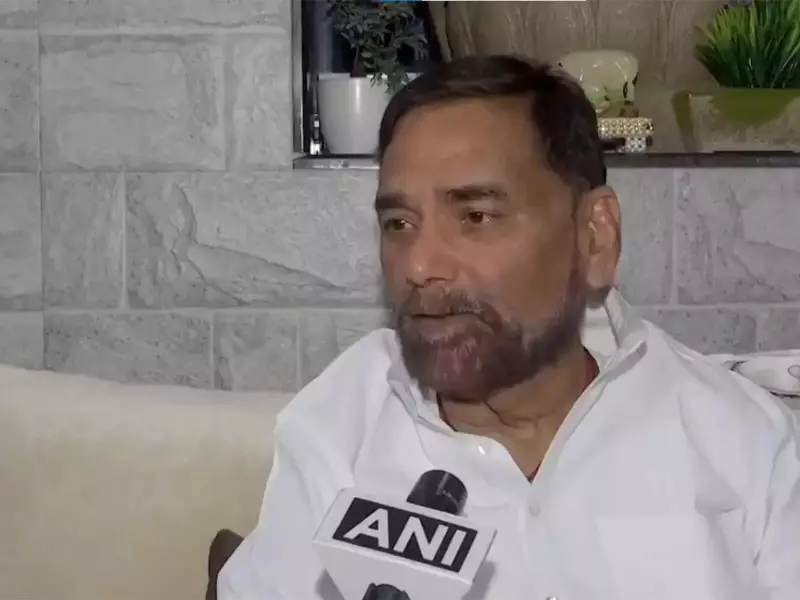
The Janata Dal (United) party declared on Friday that Bihar is on the verge of experiencing a genuine industrial transformation, nearly eight decades after India gained independence. The party attributed this monumental shift to the policies and initiatives spearheaded by Chief Minister Nitish Kumar.
A Vision for Self-Reliance and Growth
In an official press statement, the JD(U) asserted that the state is making rapid strides towards achieving self-sufficiency, generating employment, and ensuring inclusive economic growth. The party's national spokesperson, Rajiv Ranjan Prasad, placed the entire credit for this progress on the "visionary" leadership of CM Nitish Kumar.
Prasad outlined an ambitious timeline, stating, "Between 2025 and 2030, Bihar will emerge as a strong centre of industrialisation." He projected that this period would witness extensive development of modern infrastructure and a significant influx of new industrial investments into the state.

Building an Investor-Friendly Ecosystem
The JD(U) spokesperson detailed the foundational work being done to create a favourable environment for businesses. He highlighted comprehensive projects focused on enhancing critical sectors like roads, electricity supply, logistics networks, industrial parks, and skill development programs. These initiatives are designed to remove traditional bottlenecks and attract both domestic and international investors.
Prasad emphasized that the primary beneficiaries of this industrial push would be the youth of Bihar. He projected that lakhs of new job and employment opportunities would be created in the coming years. Furthermore, he explained that the wave of industrialization would not only provide direct employment but also spur large-scale livelihood opportunities in numerous ancillary and support sectors.
From Policy to Tangible Change
Marking a significant departure from the past, Prasad claimed that for the first time in 78 years, development in Bihar would break free from the confines of policy documents. He assured that the impending industrial revolution would translate into tangible and measurable improvements in the lives of people across all sections of society.
The statement from the ruling party positions the next half-decade as a defining era for Bihar's economy, aiming to shed its historically agrarian image and establish itself as a modern industrial hub driven by infrastructure and employment.