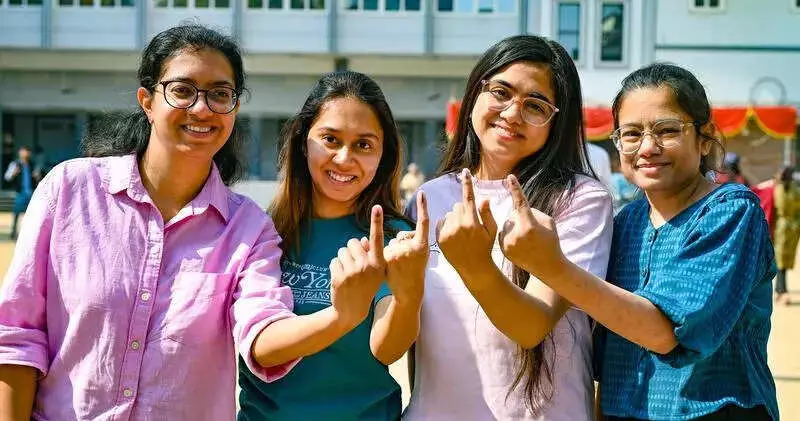
Nagpur Civic Elections Witness Sharp Decline in Voter Participation
The Nagpur Municipal Corporation elections concluded on Thursday with a disappointing voter turnout of approximately 52%. This marked the first civic polls since the general body was dissolved in March 2022. The final percentage represented a noticeable slide from the 53.72% recorded in the 2017 elections.
Systemic Issues Hamper Polling Process
Despite extensive voter-awareness campaigns conducted by the NMC and election authorities in recent weeks, multiple problems emerged throughout the day. Faulty voter lists created widespread confusion among citizens. Many voters discovered their names were missing, incorrectly placed, or shifted to different wards entirely. In numerous cases, family members found themselves assigned to separate polling booths, leading to frustration and many returning home without voting.
Technical glitches with Electronic Voting Machines further disrupted the process. Several booths across zones including Mangalwari, Laxmi Nagar, Dharampeth, Gandhibagh, Satranjipura, and Ashi Nagar reported EVM malfunctions during morning hours. These issues caused delays of up to thirty minutes, even after officials deployed standby machines. Problems persisted in some areas, particularly in Prabhag 1 under the Mangalwari zone.

Discrepancies in Voter Lists Spark Anger
A significant mismatch between voter lists displayed outside polling stations and those used by officials inside created additional complications. Many citizens who verified their names on external lists were denied voting rights when their names didn't appear on the official booth copies. This discrepancy generated considerable public anger throughout the day.
Election authorities also confiscated dummy EVM models from voter-slip kiosks established by political parties near some polling stations. These discoveries raised serious questions about potential attempts to mislead or influence voters during the electoral process.
Political Criticism and Official Response
BJP's East Nagpur MLA Krishna Khopde launched strong criticism against the State Election Commission for what he called "slipshod voter list management." He directly blamed these administrative failures for the sharp decline in voter participation. Khopde emphasized that many citizens were deprived of their constitutional right to vote due to these errors.
Municipal Commissioner Abhijeet Chaudhari provided the official assessment late Thursday night. He stated the polling percentage was estimated between 51% and 52%, noting that final figures might see minor adjustments once all reports are compiled.
Polling Trends and Electoral Landscape
The day began with sluggish voting activity, recording only 7% turnout by 9:30 AM. This gradually increased to 12% by 11:30 AM and reached 26.50% by 1:30 PM as afternoon voting gained momentum. By 3:30 PM, the figure touched 41.09%, but failed to surpass the 55% mark achieved in previous elections.
A total of 993 candidates contested across 38 wards for 151 seats, including 408 women candidates. Their electoral fate now rests in EVMs that were transported to ten designated counting centers on Thursday night. Counting will commence at 10 AM on Friday, with initial trends expected around noon.
Broader Implications and Future Concerns
While the polling day remained largely peaceful across Nagpur's 3,004 booths, the significant drop in voter participation has sparked fresh debate about electoral preparedness. Questions are being raised about the accuracy of voter rolls, the reliability of voting technology, and the need for deeper electoral reforms. These issues are expected to dominate political discourse until results are declared and likely beyond.
The turnout decline occurred despite expectations of increased participation due to a more competitive political environment and aggressive campaigning by major parties and independents. The final figure represents one of the lowest turnouts in recent Nagpur civic election history, highlighting serious concerns about voter engagement and electoral administration.