Pune Civic Polls: Vote Counting Underway After Disappointing Voter Participation
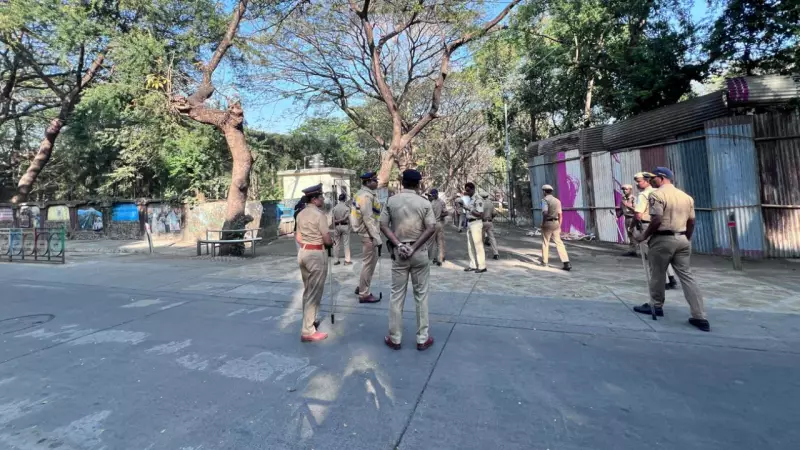
Counting of votes for the Pune Municipal Corporation elections began on Friday morning. This crucial process follows Thursday's civic polls which recorded a modest voter turnout of just 54%. The figure represents a slight decline from the 55.5% participation recorded during the 2017 elections.
Election officials expect to declare results later today. The outcome will determine political control of Pune's civic administration and set the stage for important local governance decisions.
Key Factors Behind Declining Voter Engagement
Several significant factors contributed to the lower participation rate in these important municipal elections.

Technical and Administrative Hurdles: Many voters reported confusion at polling stations throughout Thursday. Common complaints included changes in designated polling locations, missing or duplicate names on electoral rolls, and incorrect booth details printed on voter slips. Numerous families discovered they were split across different electoral wards, creating additional inconvenience.
New Ward Structure Creates Confusion: The recently implemented four-member ward system added another layer of complexity. Many voters, particularly senior citizens and first-time participants, found the new structure confusing and difficult to navigate.
Political Realignments Affect Voter Sentiment: Political experts observed that unexpected pre-poll alliances and last-minute party switches by candidates created uncertainty among voters. Blurred ideological lines between competing parties contributed to voter disengagement and apathy.
Comparative Performance with Neighboring Corporation
The Pimpri Chinchwad Municipal Corporation, Pune's neighboring civic body, recorded a somewhat better turnout of approximately 60%. However, this figure still represents a noticeable decline from the 65.3% participation achieved during the 2017 elections in that region.
Patterns in Voter Participation
Analysts identified clear patterns in how different communities participated in the electoral process.
Urban Apathy Persists: Gated communities and affluent residential areas consistently showed lower voter turnout. In contrast, slum pockets and economically disadvantaged neighborhoods demonstrated relatively higher participation rates. This disparity highlights uneven civic engagement across Pune's socioeconomic spectrum.
Holiday Timing Impacts Participation: The proximity of polling day to the Sankranti holiday weekend likely affected turnout. Many residents reportedly traveled out of the city during this period, reducing the available voting population.
Political Landscape and Alliances
The Bharatiya Janata Party and Shiv Sena contested the Pune Municipal Corporation and Pimpri Chinchwad Municipal Corporation elections independently. Meanwhile, the Nationalist Congress Party joined forces with NCP (Sharadchandra Pawar) to present a united front.
Within the Maha Vikas Aghadi coalition, the Congress party and Shiv Sena (Uddhav Balasaheb Thackeray) contested the elections together. Despite extensive campaigning by all major political players and visible political activity across electoral wards, overall voter participation remained below 60% in both civic bodies.
Broader Implications for Urban Democracy
Political analysts suggest that multiple factors combined to produce the disappointing turnout figures. Electoral roll errors, political confusion among voters, and a perceived disconnect between civic issues and voter concerns all played significant roles.
This pattern of urban voter apathy appears consistent with trends observed in other major cities across Maharashtra. The Pune municipal election results will provide important insights into urban political sentiment and civic engagement patterns as India's cities continue to grow and evolve.