Shiv Sena Minister Voices Concern Over NCP's Political Maneuvering After Ajit Pawar's Tragic Death
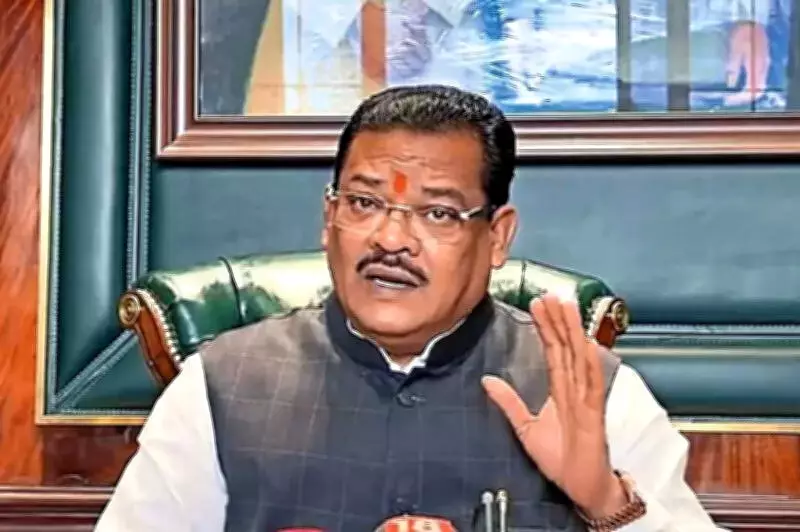
In a significant political development from Chhatrapati Sambhajinagar, Shiv Sena cabinet minister Sanjay Shirsat has voiced strong reservations regarding the swift political transitions within the Nationalist Congress Party (NCP) following the untimely death of Deputy Chief Minister Ajit Pawar. The minister emphasized that such political moves should have been deferred until the conclusion of the official mourning period, highlighting what he perceives as a troubling shift in political priorities.
Timing of Political Developments Questioned
Reflecting on the events that unfolded over the past two days, Shirsat expressed deep concern about the current state of political affairs in Maharashtra. "The recent developments make me feel that chairs have become more important than people," he told reporters during a press interaction in Chhatrapati Sambhajinagar. "In contemporary politics, positions are being won, but the public's trust is being lost through such actions."
The minister specifically criticized the timing of internal party activities, noting that the state government had declared a three-day period of official mourning following Ajit Pawar's tragic death in a plane crash on January 28. However, on Friday—the final day of this mourning period—the NCP witnessed a flurry of internal activity aimed at positioning Pawar's wife, Sunetra, as his political successor.

Public Perception and Political Priorities
Shirsat emphasized that the general public views such hurried political transitions unfavorably, particularly when they occur during periods designated for mourning and reflection. "I firmly believe these decisions should not have been made before the government's official mourning period had concluded," he asserted, suggesting that the rush to fill political vacancies demonstrates a concerning prioritization of power over propriety.
The Shiv Sena minister's comments highlight a growing tension between political expediency and public expectations regarding appropriate conduct following significant personal and political losses.
Changing Dynamics Within the NCP
Shirsat also offered insights into the evolving internal dynamics of the Nationalist Congress Party, observing a significant shift in power structures following Ajit Pawar's passing. "Ajit Pawar was the undisputed head of the NCP, and no leader possessed the strength to challenge his authority," he noted. "However, the current situation has transformed dramatically. A 'wind of collective decision-making' has begun to blow through the party, fundamentally altering its internal landscape."
This transformation, according to Shirsat, might explain why NCP (SP) chief Sharad Pawar has expressed doubts about the possibility of unifying the two NCP factions. The minister suggested that the veteran leader's recent statements indicate he does not wish to be consulted on the internal affairs of the rival faction, creating further complexity in an already delicate political situation.
Balancing Criticism with Party Position
Despite his personal critique of the timing and nature of the NCP's political maneuvers, Shirsat clarified that his party's official position aligns with that of Chief Minister Devendra Fadnavis regarding the NCP's internal matters. "Ultimately, the MLAs of the NCP must make their own decisions about their political future," he stated. "We need to respect and support the path they choose. Our party will not oppose their internal party decisions, even as we maintain our reservations about the process and timing."
The minister's nuanced position reflects the complex political realities in Maharashtra, where coalition dynamics require careful balancing of criticism and cooperation.
Broader Implications for Maharashtra Politics
This development raises important questions about political decorum, succession planning, and public perception in Indian politics. The swift political transitions following Ajit Pawar's death have exposed underlying tensions within political parties and highlighted the challenges of maintaining public trust during periods of leadership change.

As Maharashtra navigates this political transition, the comments from Shiv Sena leadership suggest that:
- Political parties are increasingly sensitive to public perception regarding timing of leadership changes
- Internal party dynamics can shift dramatically following the loss of dominant leaders
- Coalition politics requires careful navigation of criticism and cooperation
- The balance between political expediency and public expectations remains a constant challenge
The situation continues to evolve as political parties in Maharashtra adjust to the new realities created by Ajit Pawar's absence from the political landscape.