

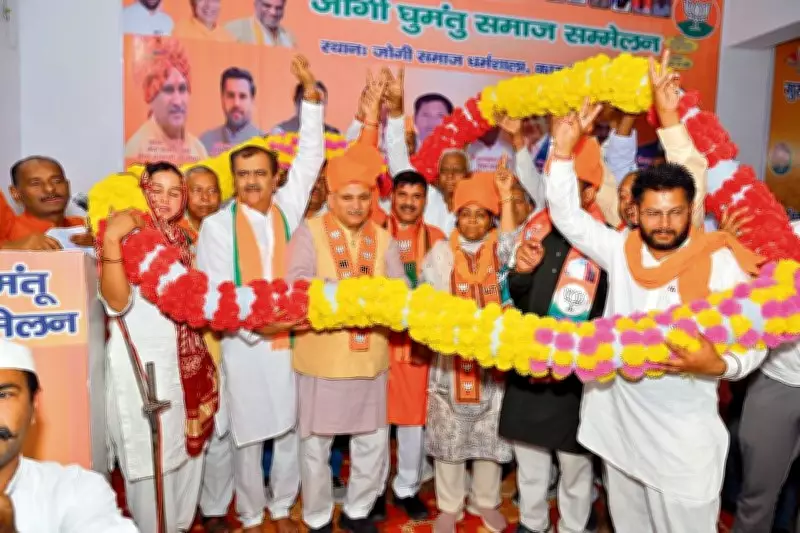
The Sonepat Municipal Corporation (MC) election has transformed into a high-stakes prestige battle for both the ruling Bharatiya Janata Party (BJP) and the opposition Congress in Haryana. The electoral contest, which is being closely watched, has seen intense campaigning from both parties as they seek to assert their dominance in the region.
Political Significance
The Sonepat MC poll holds significant political importance for both parties. For the BJP, which currently governs the state, a victory would reinforce its hold on urban local bodies and serve as a testament to its developmental agenda. On the other hand, the Congress views this election as an opportunity to regain lost ground and challenge the BJP's dominance in Haryana's urban areas.
Campaign Strategies
Both parties have deployed their top leaders and local heavyweights to canvass for votes. The BJP has focused on highlighting its achievements in infrastructure, sanitation, and digital governance, while the Congress has raised issues of unemployment, inflation, and alleged corruption. Door-to-door campaigns, public meetings, and social media outreach have been intensified in the final phase.

The election is also seen as a litmus test for the popularity of the ruling party's policies at the grassroots level. The results are expected to have a ripple effect on future state elections and the overall political landscape of Haryana.
Key Issues
- Development vs. Governance: The BJP is banking on its track record of development projects, including road construction, sewage systems, and smart city initiatives. The Congress, however, questions the pace and transparency of these projects.
- Local Concerns: Residents have raised issues such as water supply, waste management, and property tax hikes, which both parties have pledged to address.
- Allegations and Counter-Allegations: The campaign has seen heated exchanges, with each party accusing the other of neglecting the city's needs and engaging in vote-buying.
Voter Sentiment
Voters in Sonepat appear divided. While some appreciate the BJP's focus on urban renewal, others express dissatisfaction with rising costs and lack of employment opportunities. The Congress has tried to tap into this discontent, promising better governance and accountability.
The election is being contested across multiple wards, with candidates from both national parties as well as independents and regional players. The final results will determine not only the control of the municipal corporation but also the political momentum ahead of upcoming assembly elections.
Conclusion
As the Sonepat MC poll approaches, the stakes could not be higher for the BJP and Congress. The outcome will be a crucial indicator of urban voter sentiment in Haryana and could shape the strategies of both parties in future electoral battles.






