For most of the night, Chicago Bears fans experienced something remarkable. Their team, which managed just five wins last season, stood toe-to-toe with the seasoned Los Angeles Rams in the divisional round. This felt like a season that had already exceeded all expectations.
A Moment That Could Have Changed Everything
When the Bears forced overtime with a late touchdown, hope surged through the stadium. This was no longer just a nice playoff story. Chicago was close enough to touch victory. That belief made what followed particularly painful for everyone wearing navy and orange.
The Dramatic Comeback That Set the Stage
Chicago trailed by seven points with under two minutes remaining. Their offense moved with urgency, driving inside the Rams' 15-yard line with the season hanging in the balance. After two incomplete passes, they faced fourth-and-four.

Caleb Williams escaped pressure, drifted backward, and launched a pass toward the end zone. Tight end Cole Kmet made the catch, tying the game and sending the contest into overtime. Momentum clearly belonged to Chicago at that moment.
The Conservative Call That Raised Questions
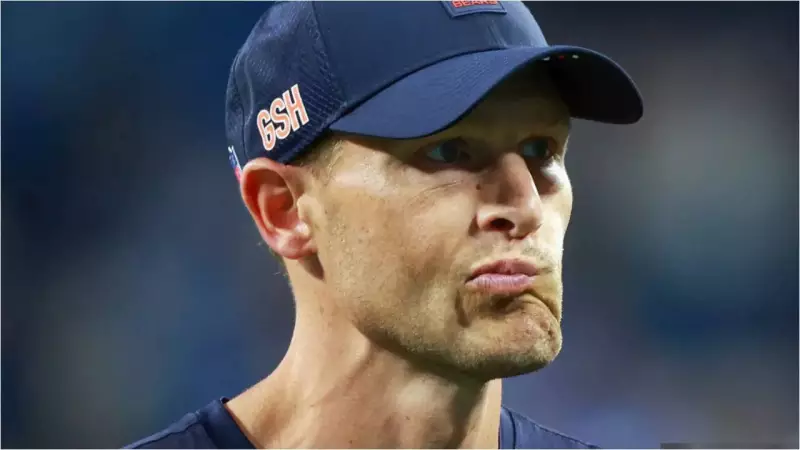
Instead of attempting a two-point conversion for the win, head coach Ben Johnson chose to play for overtime. Johnson explained his thinking after the game.
"Thought about it," Johnson said. "Probably what played a little factor was our goal-to-go situations hadn't gone very clean. Our inside-the-five plan hadn't worked out quite like we had hoped, so just felt better about taking our chances there in overtime."
The hesitation was understandable. Earlier in the game, Chicago had a goal-to-go opportunity and failed to score, turning the ball over on downs. Trusting overtime seemed safer than risking another short-yardage failure.
How Overtime Unraveled in Minutes
The plan nearly worked perfectly. Chicago's defense opened overtime with a crucial stop, giving the ball back to an offense that had just executed a miracle drive.
Then came the turning point. Williams threw an interception while targeting receiver DJ Moore. The quarterback described it as a simple communication breakdown.
"Just a miscommunication between him and I," Williams told reporters. "Tried to flatten him off under the safety and he kept it vertical from what I saw in the moment."
The turnover gave Los Angeles excellent field position. Rams quarterback Matthew Stafford efficiently moved his team into field goal range, setting up Harrison Mevis for the game-winning kick.
What This Loss Means for Chicago
This ending stung because the Bears had proven they belonged. They traded blows with a playoff-tested opponent and showed resilience when facing elimination. The game revealed both progress and painful lessons.
Chicago's season transformed from a surprising success story to a heartbreaking what-if scenario. Fans witnessed their team come agonizingly close to a statement victory, only to watch it slip away through a combination of cautious strategy and one critical mistake.
The Bears demonstrated they can compete with the NFL's best teams. However, they also learned that playoff games often turn on single decisions and execution in pressure moments. This experience, while painful, could provide valuable lessons for a franchise building toward sustained success.