Three Teams from T20 World Cup 2024 Set to Miss the 2026 Edition
The T20 World Cup 2024 featured a diverse array of cricketing nations, but the landscape is poised to shift dramatically for the 2026 tournament. Due to revised qualification criteria and recent performance outcomes, three teams that competed in the 2024 event will not be part of the 2026 edition. This change highlights the evolving and highly competitive nature of international T20 cricket, where securing a spot requires consistent excellence and strategic planning.
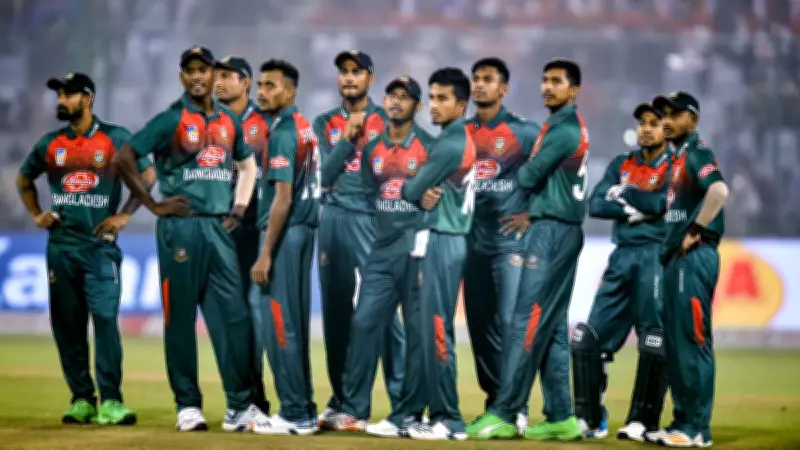
Bangladesh: A Surprising Absence in 2026
Bangladesh, a team with a rich cricketing history and regular participation in global tournaments, is notably among the sides that will miss the T20 World Cup 2026. Despite their presence in the 2024 competition, Bangladesh failed to meet the stringent qualification standards set for the next edition. Factors contributing to this include underwhelming performances in recent T20 Internationals and regional qualifiers, which did not accumulate enough ranking points or tournament success. This absence marks a significant setback for Bangladesh cricket, which has often been a competitive force in the shorter format.
Uganda: A Brief Appearance on the World Stage
Uganda made a memorable debut in the T20 World Cup 2024, capturing attention with their spirited play. However, their journey will not extend to the 2026 tournament. As an emerging cricketing nation, Uganda faced challenges in maintaining the high level required for automatic qualification or securing a spot through regional pathways. Their exclusion underscores the difficulties that associate and affiliate members encounter in breaking into the elite circle of T20 cricket, where resources and experience play crucial roles.

The Third Team: Qualification Hurdles and Competitive Pressures
In addition to Bangladesh and Uganda, another team from the T20 World Cup 2024 roster will also be absent in 2026. While specific details may vary, this team likely fell short due to similar qualification obstacles, such as:
- Inconsistent performance in T20 International matches leading to a lower ICC ranking.
- Failure to advance from regional qualification tournaments, which are increasingly competitive.
- Strategic missteps in squad selection and match preparation affecting key games.
This trend reflects the broader dynamics in world cricket, where even established teams must continuously adapt to avoid being left behind.
Implications for the Future of T20 World Cup Qualifications
The exclusion of these three teams from the T20 World Cup 2026 signals a pivotal moment in the tournament's evolution. With the International Cricket Council (ICC) implementing more rigorous qualification processes, the emphasis is on rewarding consistent performance and growth. For fans and stakeholders, this means a potentially more competitive and unpredictable tournament in 2026, as new teams rise to fill the vacancies. It also serves as a reminder that in the fast-paced world of T20 cricket, no position is guaranteed, and every match counts toward long-term aspirations.