Former Pakistan Star Mohammad Hafeez Blasts ICC Over India-Pakistan Match Controversy
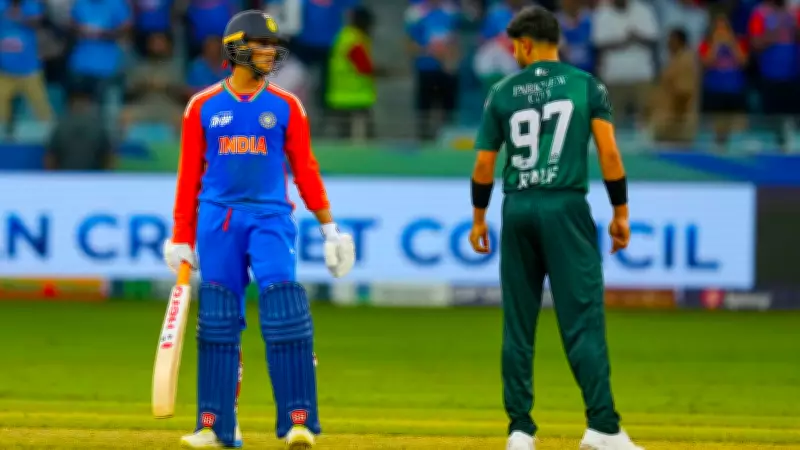
Former Pakistan cricketer Mohammad Hafeez has launched a scathing attack on the International Cricket Council (ICC), labeling their handling of the recent India-Pakistan T20 World Cup match controversy as a "total failure" of administration. The criticism comes as the high-profile match between the arch-rivals is finally back on schedule for February 15 after weeks of uncertainty and political maneuvering.
Political Bargaining and Financial Stakes
The Pakistan Cricket Board's (PCB) decision to boycott the match in Colombo had created a crisis that threatened to cost the ICC approximately $174 million in potential revenue. This standoff was only resolved after intense negotiations between cricket's governing body and the Pakistani board. Hafeez expressed deep frustration with how the situation was allowed to escalate to such a critical point.
"What was the conclusion of the politics played with the sport over the last two or three weeks?" Hafeez questioned during an appearance on the Game on Hai show. "First, we must look at the pain caused to cricket fans sitting all over the world—whether it was a Bangladeshi fan, an England supporter, or someone supporting Pakistan. Fans everywhere were hurt by this decision."

Unanswered Questions and Compensation Concerns
The former Pakistan all-rounder raised serious concerns about accountability in the entire episode. "My only question is: who was wrong? Someone was at fault, yet it wasn't disclosed whose mistake it was," Hafeez stated emphatically. "Compensation is being given, but on what basis? If it's based on a mistake, why wasn't it admitted?"
Hafeez pointed out the apparent contradiction in the ICC's approach: "Afterward, they claim they are taking this decision to protect 'integrity and spirit.' Where were these claimants before? The question is, why did it even take this turn?"
Broader Implications and Bangladesh's Role
The controversy originated when Pakistan's government decided to boycott the match after Bangladesh was ejected from the T20 World Cup for refusing to play in India due to security concerns. As part of the resolution, the ICC announced that Bangladesh would host an ICC event prior to the ICC Men's Cricket World Cup 2031.
Hafeez acknowledged this development but remained focused on the core issue: "This is a total failure of the ICC and their administration. This must be accepted first. Beyond that, whether Bangladesh gets a favor, a tournament, or a participation fee—and ensuring no sanctions are placed on them—is fine. But the character who played the wrong role needs to be exposed."
The former player warned about potential future consequences: "If they remain hidden, we might see such cases again. Unless a mistake is realized, highlighted, and accepted, you cannot improve. In this whole matter, I still don't understand who was at fault."
Hope for Cricket's Greatest Rivalry
Despite his criticism of the administrative handling, Hafeez expressed genuine relief and enthusiasm about the India-Pakistan match proceeding. "In my opinion, whatever happened was not good for cricket. Regarding the Pakistan-India match, I am always in favor of them playing," he affirmed.
"This is the rivalry that inspires the entire world. I hope this match happens—and I hope it's not just this one match. I want India and Pakistan matches to happen routinely," Hafeez added, emphasizing the global significance of this cricketing contest.
ICC's Official Response
ICC Chief Executive Sanjog Gupta addressed the situation while announcing the rapprochement with Pakistan and Bangladesh boards. "Bangladesh's absence from the ICC Men's T20 World Cup is regrettable, but it does not alter the ICC's enduring commitment to Bangladesh as a core cricketing nation," Gupta stated.

"Our focus continues to be on working closely with key stakeholders including BCB to ensure the sport grows sustainably in the country and that future opportunities for its players and fans are strengthened. Bangladesh remains a priority cricket ecosystem deserving of long-term investment in its development, competitiveness and global integration, and is not defined by short-term disruptions," the ICC chief executive concluded.
The resolution brings to an end a tense period in international cricket diplomacy, but Hafeez's pointed questions about accountability and administrative competence continue to resonate as fans worldwide anticipate one of cricket's most storied rivalries.