ICC's Bowling Action Regulations Take Center Stage Ahead of High-Voltage Clash
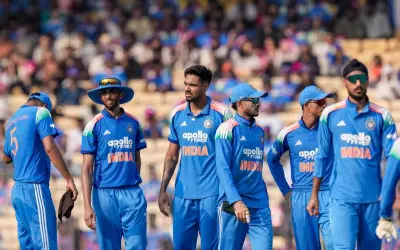
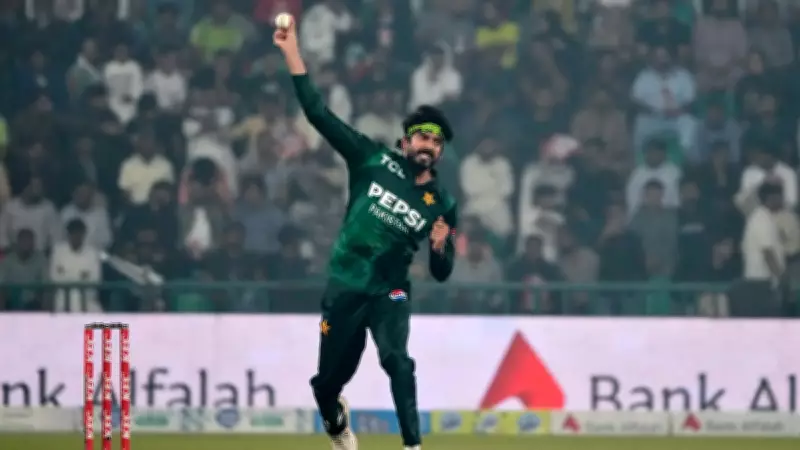
The International Cricket Council's (ICC) comprehensive framework for assessing bowling action legality has become a focal point of discussion as the cricketing world gears up for the much-anticipated India versus Pakistan match in the T20 World Cup 2026. With players like Usman Tariq in the spotlight, understanding these rules is crucial for fans and teams alike.
What Constitutes a Legal Bowling Action According to ICC?
The ICC defines a legal bowling action as one where the bowler's elbow extension does not exceed 15 degrees during the delivery stride. This threshold is strictly enforced to maintain fairness and prevent bowlers from gaining an unfair advantage through excessive straightening, which can mimic throwing. The governing body employs advanced technology, including 3D biomechanical analysis, to measure elbow flexion angles with precision during match reviews or reported incidents.
Key aspects of the ICC's assessment process include:

- Initial Reporting: Umpires or match officials can report a bowler if they suspect an illegal action during an international match.
- Biomechanical Testing: Reported bowlers undergo rigorous testing at accredited centers, where high-speed cameras capture their action from multiple angles.
- Remediation and Reassessment: If found illegal, bowlers must work on correcting their action and can apply for reassessment after a modification period.
Implications for the India-Pakistan T20 World Cup Encounter
As India and Pakistan prepare to face off in the T20 World Cup 2026, the scrutiny on bowling actions intensifies. Bowlers from both sides, including potential key players like Usman Tariq, must ensure their techniques comply with ICC standards to avoid penalties that could impact team strategies. Historical data shows that even minor deviations can lead to suspensions, affecting a player's availability and team dynamics in critical tournaments.
The ICC's proactive stance includes random testing and education programs to help bowlers understand and adhere to the rules. This emphasis on legality aims to preserve the sport's integrity, especially in high-stakes matches where every delivery counts. Teams often invest in biomechanical experts to fine-tune actions pre-tournament, reducing the risk of last-minute issues.
Broader Impact on Cricket and Player Careers
Beyond individual matches, the ICC's bowling action rules have long-term effects on player careers and cricket's evolution. Several prominent bowlers have faced suspensions, leading to career setbacks or forced retirements. The regulations encourage a balance between innovation in bowling styles and adherence to traditional fairness, shaping how young cricketers develop their skills globally.
In conclusion, as the cricketing community anticipates the India-Pakistan showdown in the T20 World Cup 2026, the ICC's detailed rules on bowling action legality serve as a reminder of the sport's commitment to equity. With advanced enforcement mechanisms in place, fans can expect a contest where skill and strategy, rather than questionable techniques, determine the outcome.