ICC Opts Against Sanctions for Bangladesh's T20 World Cup Refusal in India
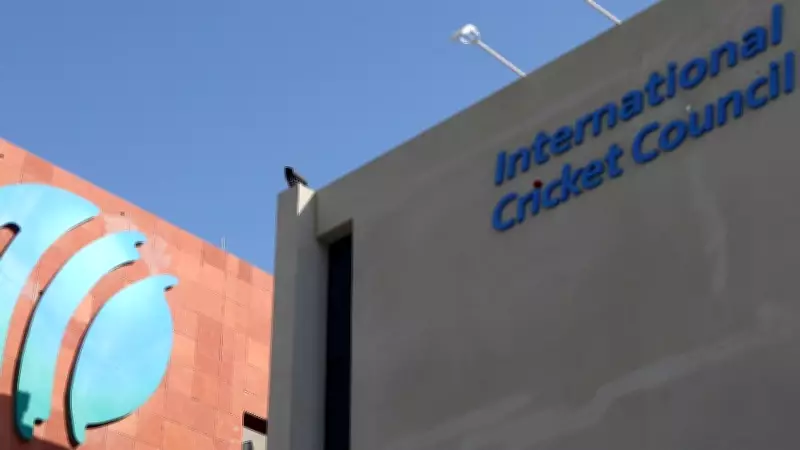
The International Cricket Council (ICC) has announced that it will not impose any sanctions on the Bangladesh cricket team for their decision to refuse participation in the T20 World Cup matches scheduled to be held in India. This significant decision was made public on February 9, 2026, following extensive deliberations and dialogue involving key stakeholders in the cricketing community.
Dialogue and Diplomacy Lead to ICC's Decision
The world governing body for cricket, the ICC, clarified that its choice to forgo penalties against Bangladesh came after a series of constructive discussions with the Bangladesh Cricket Board (BCB). Additionally, the ICC engaged with the Pakistan Cricket Board (PCB), which had previously announced a boycott of a match against India set for February 15. This boycott was intended as a gesture of solidarity with Bangladesh, highlighting the complex geopolitical and sporting dynamics at play.
The ICC emphasized that its primary goal is to maintain the spirit of cricket and ensure fair play, while also addressing the concerns and positions of member nations. By opting against sanctions, the ICC aims to foster a collaborative environment and prevent further escalation of tensions that could disrupt the tournament's proceedings.

Background and Implications of the Boycott
Bangladesh's refusal to play in India during the T20 World Cup stems from broader political and diplomatic issues between the two nations. The decision was not taken lightly and reflects the ongoing challenges in international sports where political sentiments often intersect with athletic competitions. The PCB's announcement of a boycott in support of Bangladesh added another layer to this situation, demonstrating regional alliances and shared grievances.
The ICC's handling of this matter sets a precedent for how cricket's global body navigates similar conflicts in the future, balancing the integrity of the sport with the autonomy of its member boards. This approach may influence future tournaments and policies, particularly in regions where political tensions are high.
Looking Ahead: Impact on the T20 World Cup and Cricket Relations
With the ICC's decision now in place, the focus shifts to the upcoming T20 World Cup and how this resolution will affect the tournament's schedule and team dynamics. Key points to consider include:
- The potential for rescheduled matches or alternative arrangements to accommodate the boycott.
- The role of diplomacy in resolving sports-related disputes and maintaining international cricket relations.
- Lessons learned for the ICC in managing conflicts between member nations to ensure the smooth running of global events.
This development underscores the importance of dialogue and compromise in international sports governance. As cricket continues to grow as a global phenomenon, incidents like these highlight the need for robust frameworks to address political and ethical challenges without compromising the game's core values.