Pakistan's Dramatic U-Turn on T20 World Cup Participation
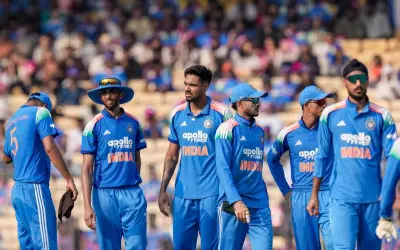
In a surprising development that has captured international attention, Pakistan has executed a complete reversal on its stance regarding participation in the upcoming T20 World Cup. Initially, Pakistani authorities had firmly declared their refusal to participate in the tournament, citing various political and diplomatic concerns. However, in a swift and unexpected move, they have now agreed to send their team, leading analysts to interpret this as a significant strategic surrender before India.
The Initial Refusal and Its Implications
Pakistan's original decision to boycott the T20 World Cup was rooted in longstanding geopolitical tensions with India. Officials had publicly stated that participation was untenable given the current state of bilateral relations, emphasizing issues such as territorial disputes and cross-border conflicts. This stance was seen as a bold political statement, potentially isolating Pakistan further in the international cricket community and risking sanctions from governing bodies like the ICC.
The refusal had immediate repercussions, with cricket boards worldwide expressing concern over the tournament's integrity without one of the sport's powerhouse teams. Financial implications were also significant, as Pakistan's absence could have led to reduced viewership and sponsorship revenue, impacting the global cricket economy.

The Sudden Reversal: A Strategic Retreat?
Pakistan's abrupt about-face, agreeing to participate after all, has been widely analyzed as a strategic surrender. Experts suggest that intense diplomatic pressure from India, coupled with internal economic and political considerations, forced Pakistan to reconsider. The decision likely involved high-level negotiations, with India leveraging its influence in international forums to ensure Pakistan's compliance.
This reversal is seen as a victory for India's diplomatic efforts, showcasing its ability to sway regional dynamics in sports. It also highlights Pakistan's vulnerable position, where external pressures can compel policy shifts, even in arenas like cricket that are deeply tied to national pride.
Rajat Sharma's Analysis: Aaj Ki Baat Perspective
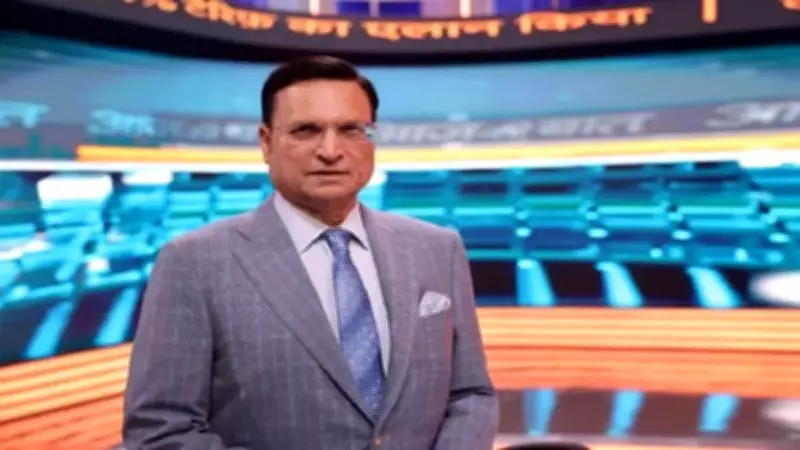
Prominent journalist Rajat Sharma, in his blog post "Aaj Ki Baat," provides a critical take on this development. He argues that Pakistan's U-turn is not merely about cricket but reflects broader geopolitical realities. Sharma points out that this move underscores India's growing clout on the world stage, where even traditional rivals must acquiesce to its demands in multilateral settings.
Sharma's analysis emphasizes that Pakistan's surrender is a calculated move to avoid further isolation and economic fallout. By participating, Pakistan gains a platform to engage diplomatically, albeit from a position of weakness, rather than facing complete exclusion from international sports events.
Broader Implications for Cricket and Diplomacy
The incident has sparked discussions on the intersection of sports and politics. Key implications include:
- Diplomatic Leverage: India's successful pressure on Pakistan demonstrates how sports can be used as a tool for diplomatic influence, setting a precedent for future international tournaments.
- Economic Factors: Pakistan's reversal likely considered the financial benefits of participation, including revenue from broadcasting rights and tourism, which outweigh political posturing.
- Regional Stability: This move could temporarily ease tensions, as cricket matches often serve as informal channels for dialogue between the two nations, though underlying conflicts remain unresolved.
- Global Perception: The world views this as a sign of Pakistan's pragmatic approach, prioritizing practical gains over ideological stands, which may affect its international relationships beyond cricket.
In conclusion, Pakistan's T20 World Cup U-turn is a multifaceted event with deep political undertones. It reveals the complex dynamics of India-Pakistan relations, where even sports become battlegrounds for strategic maneuvering. As the tournament approaches, all eyes will be on how this decision plays out on and off the field, shaping future interactions between these neighboring rivals.