Pakistan Under Growing Pressure to Reconsider T20 World Cup Boycott Against India
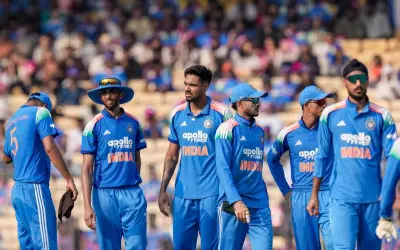
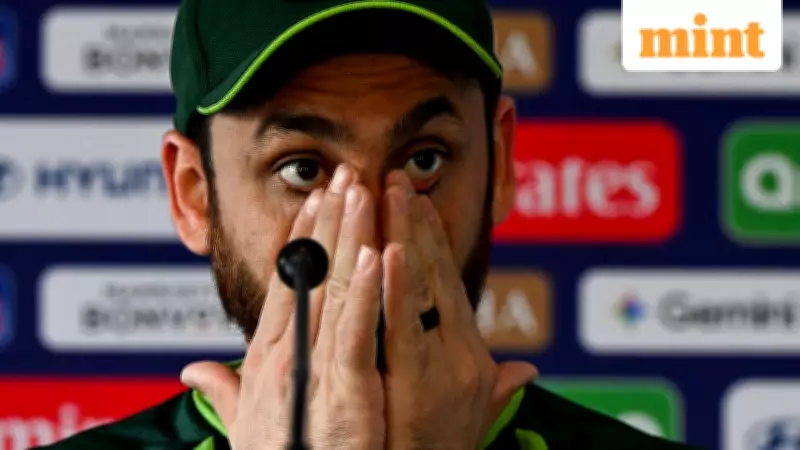
The Pakistan Cricket Board is facing increasing pressure from multiple fronts to reconsider its controversial decision to boycott the highly anticipated T20 World Cup 2026 match against arch-rivals India. While negotiations continue behind the scenes, tomorrow's crucial Pakistan versus United States match could significantly influence Pakistan's final decision regarding the India fixture.
Financial Stakes and Regional Solidarity
Reports indicate the PCB may be reconsidering its boycott plan, originally declared in solidarity with Bangladesh. The financial implications are staggering, with the India-Pakistan match projected to generate approximately $250 million (₹2,268 crore) in revenue. As tournament hosts, Sri Lanka Cricket stands to suffer substantial financial losses and has urgently appealed to PCB chairman Mohsin Naqvi to review the boycott decision.
Sri Lanka Cricket has emphasized the potential devastation to Colombo's tourism sector, ticket sales, and hospitality income, while also reminding Pakistan of historical support between the two cricket boards. Naqvi has reportedly assured stakeholders that discussions will continue with relevant authorities, leaving the door open for Pakistan to eventually participate in the marquee match.

Tournament Consequences and Strategic Calculations
The upcoming Pakistan versus USA match takes on critical importance in this context. Should Pakistan maintain their boycott stance against India, their performance against the United States becomes paramount to their tournament survival. Pakistan currently holds just 2 points from a narrow victory over the Netherlands, and a loss to the USA would severely jeopardize their Super 8 qualification prospects.
Under International Cricket Council regulations, refusing to play India on February 15 would constitute a forfeit, awarding India 2 points while leaving Pakistan with none from that fixture. This scenario would create additional complications as a forfeit severely damages net run rate, with Pakistan effectively treated as scoring zero runs in 20 overs.
ICC Engagement and Political Dimensions
Contrary to expectations that the ICC might penalize Pakistan for the boycott threat, the global cricket body has adopted a diplomatic approach. ICC Deputy Chair Imran Khwaja has been dispatched for back-channel discussions aimed at convincing the PCB to reconsider its position.
Multiple media reports suggest Pakistan has established three key conditions for participation:
- A larger share of ICC revenue distribution
- Restoration of bilateral cricket ties with India
- Strict enforcement of handshake protocols regardless of political tensions
The final decision reportedly rests with Pakistan Prime Minister Shehbaz Sharif, who is expected to make a determination within the next 24 hours. The outcome of the Pakistan versus USA match could significantly influence this political decision, with a potential loss increasing pressure on the government to authorize participation in the India fixture.
Tournament Mathematics and Qualification Scenarios
The strategic calculations are complex. Should Pakistan lose to the United States, they would remain at 2 points with only one remaining match against Namibia. Even with a victory in that final game, Pakistan would reach a maximum of 4 points, which historically proves insufficient for top-two qualification in five-team groups.
Paradoxically, if Pakistan values their T20 World Cup participation, losing to the United States might actually increase incentives to play against India, as defeating their traditional rivals would represent their best remaining path to tournament advancement. The coming days will reveal whether commercial realities, diplomatic pressures, and tournament mathematics will outweigh the original solidarity considerations behind the boycott threat.